
OUR COMPANY
Zhejiang Ruico Advanced Materials Co., Ltd. was established in 2012, is a China Flame Retardant Coating Factory and Flame Retardant Coating Company, listed in China on 2019, specialized in Flame Retardant Coating. Ruico is a national high-tech enterprise, Passed ISO9001 quality management system, have provincial-level R&D center, All products including Polymer comply with OEKO-TEX, REACH, ROSH, EN71-3 and international flame retardant standards. Ruico has established five centers including technology center, marketing center, production center, purchasing center and financial center; designing individualized solutions for customers, and implementing one-stop services.

"Industry Knowledge Development"
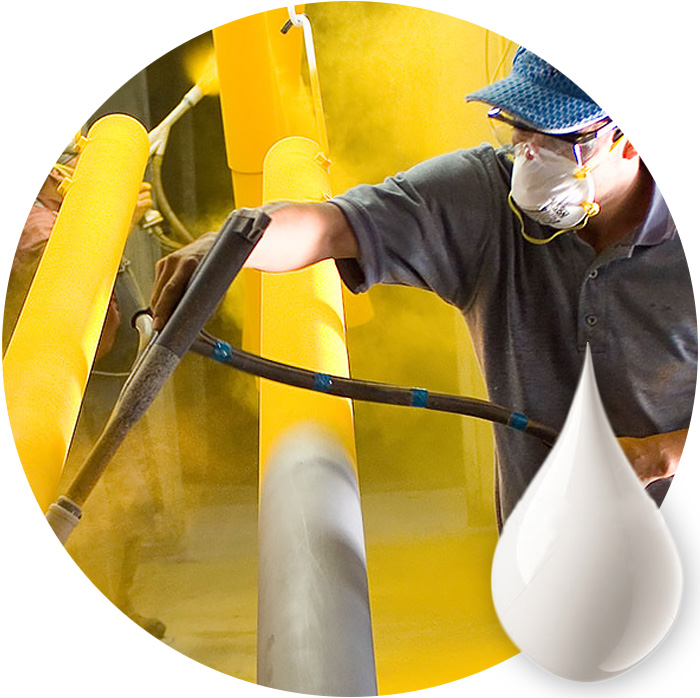
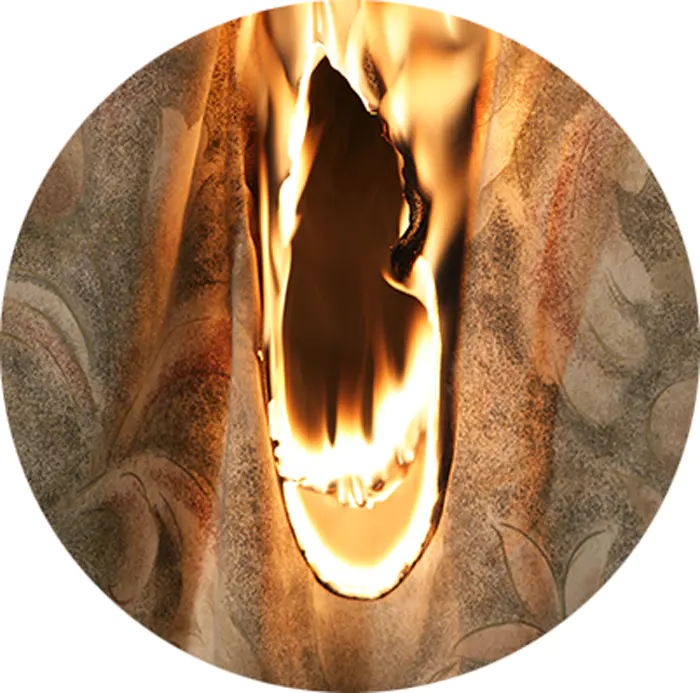
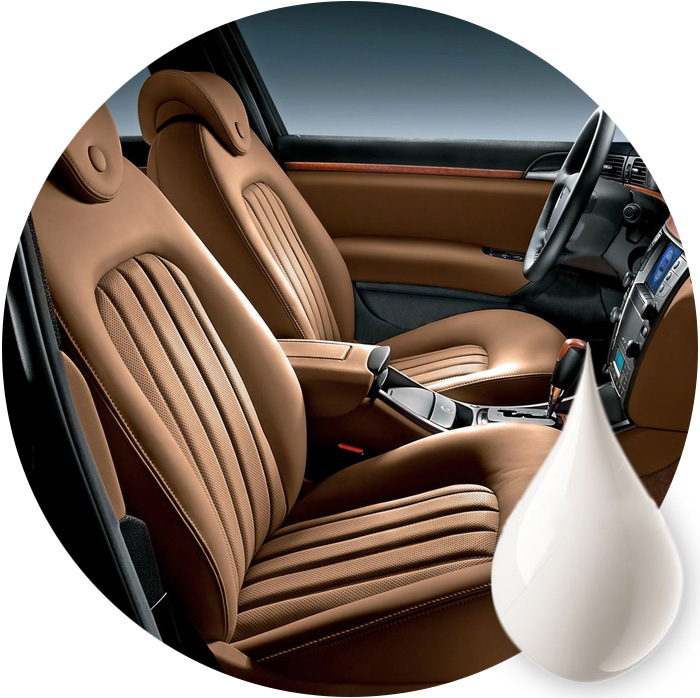
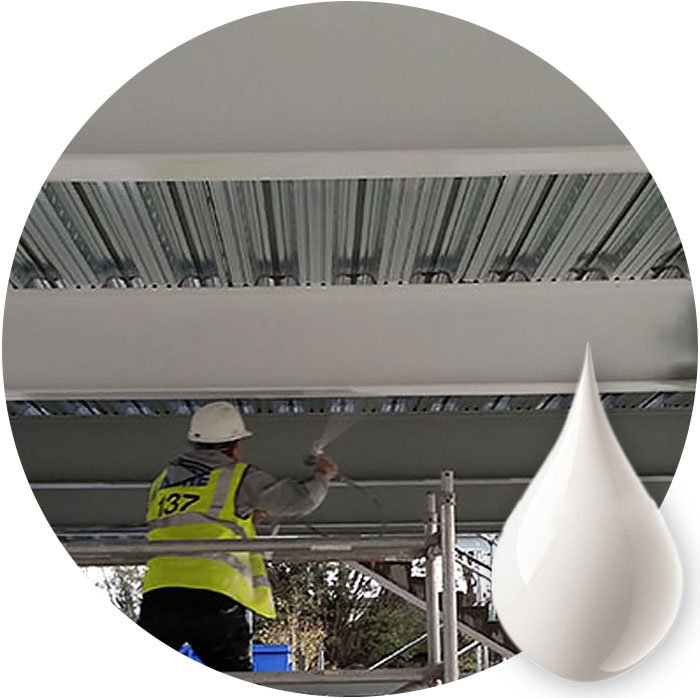
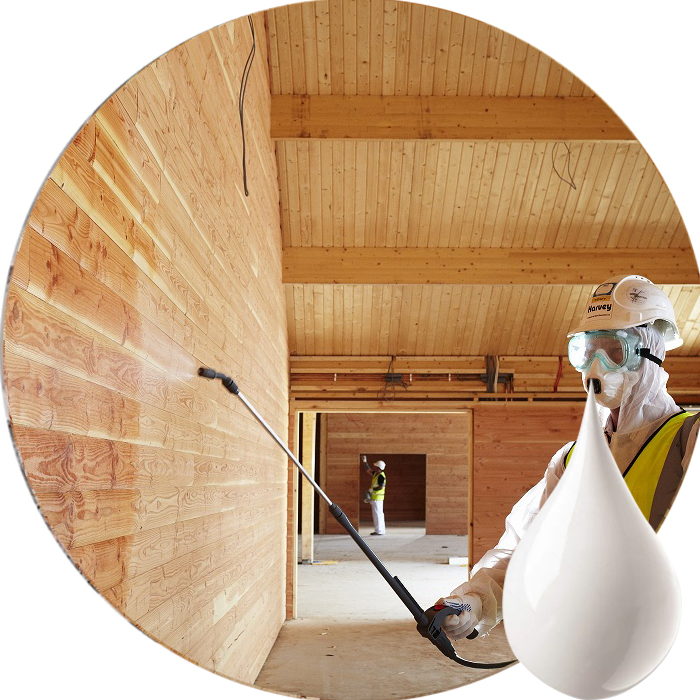
Flame retardant coating is a type of protective finish that is applied to materials to prevent them from catching fire and spreading flames. It is commonly used in industries such as construction, textiles, and electronics to improve fire safety and reduce the risk of fire damage. The coating typically contains flame-retardant chemicals that work by creating a barrier to prevent ignition, slowing down the spread of flames, and reducing heat release. The effectiveness of a flame retardant coating depends on the specific formulation, application method, and type of substrate.
The performance of a flame retardant coating is typically evaluated based on its ability to prevent or slow down the spread of fire. Factors that can impact the performance of a flame retardant coating include the type of substrate being coated, the thickness of the coating, the type of fire to which it will be exposed, and the environmental conditions (such as temperature and humidity) in which it will be used. Additionally, the performance of a flame retardant coating can be affected by its durability, resistance to UV light and chemicals, and ease of application. To ensure optimal performance, it is important to select a flame retardant coating that is appropriate for the specific application and to follow the manufacturer's recommendations for use.
There are several types of flame retardant coatings, including:
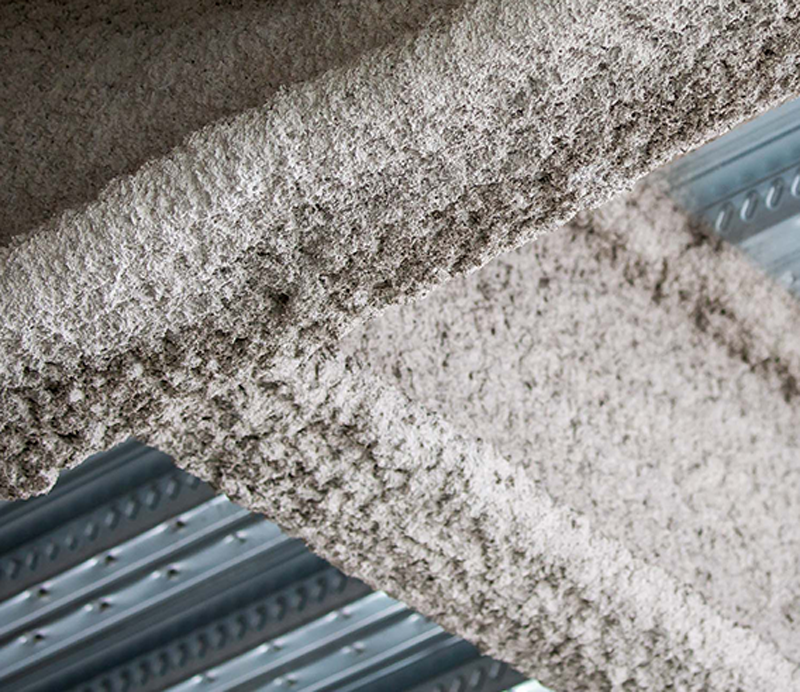
Intumescent Coatings: These are coatings that expand when exposed to heat to form a protective barrier against flame and smoke.
Fireproof Paint: This is a type of coating that contains fire-retardant chemicals to reduce the spread of fire.
Thermal Barrier Coatings: These are coatings that provide insulation to reduce heat transfer and slow down the spread of fire.
Fire-Retardant Epoxy Coatings: These are coatings made from epoxy resin and fire-retardant additives.
Fireproof Polyurethane Coatings: These are coatings made from polyurethane and fire-retardant additives.
Fireproof Acrylic Coatings: These are coatings made from acrylic and fire-retardant additives.
The specific type of flame retardant coating used will depend on the application, materials being protected, and the level of fire protection desired.
Flame retardant coatings offer several advantages, including:
Fire protection: The primary purpose of these coatings is to prevent the spread of fire and to reduce the potential for ignition.
Safety: These coatings can provide added protection against fire and smoke, making buildings and structures safer for occupants.
Compliance: Flame retardant coatings help meet fire safety codes and regulations, making it easier for builders and property owners to comply with building codes.
Insurance savings: Installing flame retardant coatings can result in lower insurance premiums, as it reduces the risk of fire damage to a building or structure.
Durability: Many flame retardant coatings are designed to be long-lasting and durable, providing reliable protection against fire for many years.
Versatility: These coatings can be applied to a variety of materials and surfaces, making them a versatile solution for fire protection in a variety of applications.
Our products are of high quality, if you are interested in our products, please contact us, we will provide you with quality service!


 English
 España
 русский
 Deutsch




.jpg)
 No.188, Liangshan Road, Linghu Town, Nanxun District, Huzhou City, Zhejiang Province, China
 +86 (572)
2903236
+86 (572)
2903236 +86 (572)
2905222
+86 (572)
2905222 +86 15088303595
 +86 15088303595