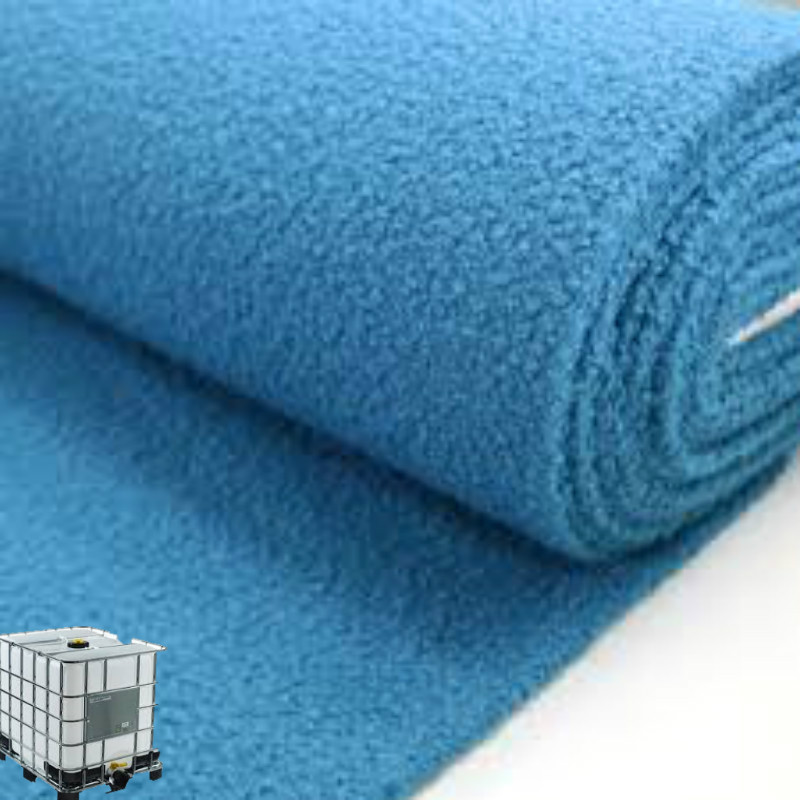
A blackout fabric coating is made from several different materials, each serving a specific function during processing and after curing. The acrylic binder forms the continuous film and bonds the coating to the textile substrate. Titanium dioxide contributes to opacity by scattering visible light, w... read more
Foam coating is commonly used in blackout fabric manufacturing because it allows coatings to be applied with controlled density and coating weight. To maintain production consistency, several processing parameters should be monitored throughout manufacturing. The parameter is pH. Stable pH helps ma... read more

Blackout fabrics are widely used in residential curtains, hotels, offices, schools, hospitals, and commercial buildings. While the appearance of the finished fabric is important, the coating structure behind the fabric has a direct impact on light blocking, flexibility, processing stability, and lon... read more
Creating premium blackout fabrics requires more than high opacity. Manufacturers also demand foam stability, strong adhesion, flame retardancy, and consistent production performance. RUICO has developed a complete water-based latex solution for blackout backing applications. Our system combines acry... read more
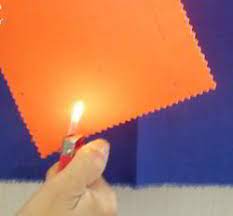
High-Performance Latex System for Foam Coating Applications Blackout fabrics are widely used in curtains, roller blinds, and home furnishing textiles, where light-blocking performance, flame retardancy, soft hand feel, and durable adhesion are essential. RUICO offers a complete water-based latex sys... read more

Zhejiang Ruico Advanced Materials Co., Ltd is a professional acrylic resins Manufacturers and flame retardants factory, our company was established in 2012, listed in China on 2019, Ruico is a national high-tech enterprise, Passed ISO9001 quality management system, have provincial-level R&D center, hired academicians, PhD, and other technicians totally 35 people, got 42 patents, the rule-maker of national flame retardant standards.
Application sustainability English
 España
 русский
 Deutsch
 No.188, Liangshan Road, Linghu Town, Nanxun District, Huzhou City, Zhejiang Province, China
 +86 (572)
2903236
+86 (572)
2903236 +86 (572)
2905222
+86 (572)
2905222 +86 15088303595
 +86 15088303595
