Consistent production results are closely related to process control throughout the coating line. Even when the formulation remains unchanged, differences in processing conditions may influence coating appearance, coating weight, and handling characteristics. Raw material preparation begins with con... read more
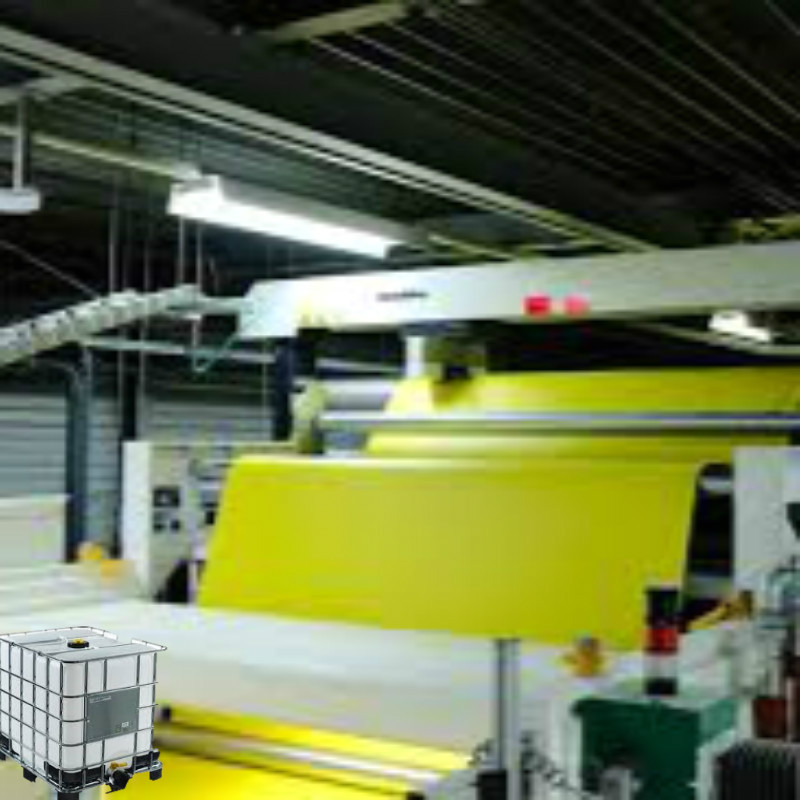
A blackout fabric coating is developed by combining several functional materials into one formulation. Each component contributes to the coating during mixing, application, drying, and service life. Because these materials interact continuously throughout the production process, formulation compatib... read more
Foam coating has become a widely adopted process in the production of blackout fabrics because it provides a practical balance between coating weight, opacity, and production efficiency. Compared with conventional liquid coating methods, mechanical foaming introduces air into the coating compound be... read more
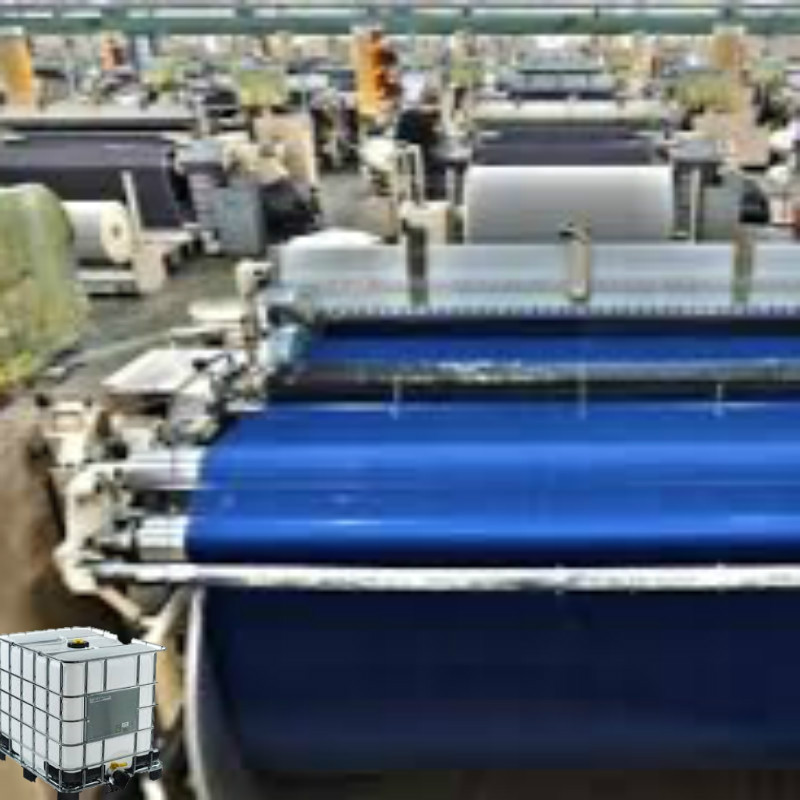
The selection of coating materials depends on the fabric construction, production equipment, and target product requirements. Water-based acrylic latex is commonly used as the binder because it provides film formation and compatibility with pigments and functional additives. For foam coating applica... read more
In textile coating, process control plays an important role in achieving repeatable production results. A formulation may remain unchanged, but variations in processing conditions can influence coating appearance and handling properties. Mixing sequence is one example. Functional additives are gener... read more

Zhejiang Ruico Advanced Materials Co., Ltd is a professional acrylic resins Manufacturers and flame retardants factory, our company was established in 2012, listed in China on 2019, Ruico is a national high-tech enterprise, Passed ISO9001 quality management system, have provincial-level R&D center, hired academicians, PhD, and other technicians totally 35 people, got 42 patents, the rule-maker of national flame retardant standards.
Application sustainability English
 España
 русский
 Deutsch
 No.188, Liangshan Road, Linghu Town, Nanxun District, Huzhou City, Zhejiang Province, China
 +86 (572)
2903236
+86 (572)
2903236 +86 (572)
2905222
+86 (572)
2905222 +86 15088303595
 +86 15088303595
