Selecting raw materials for a blackout fabric coating involves balancing processing characteristics with finished fabric requirements. Rather than evaluating materials individually, manufacturers often consider how they function together throughout mixing, coating, drying, and storage. The binder pr... read more
Viscosity is one of the frequently monitored parameters in water-based textile coating. Although it is often expressed as a single numerical value, viscosity reflects the interaction between the binder, pigments, additives, water content, and processing temperature. During blackout fabric productio... read more

Uniform coating distribution is one of the primary objectives in blackout fabric manufacturing. Whether the finished fabric is used for residential curtains, commercial interiors, hotels, or transportation applications, coating consistency affects appearance, processing stability, and the performanc... read more
Formulation design is closely connected to manufacturing conditions. A coating system that performs well in one production facility may require adjustments when transferred to another coating line because equipment configuration, environmental conditions, and fabric construction all influence proces... read more
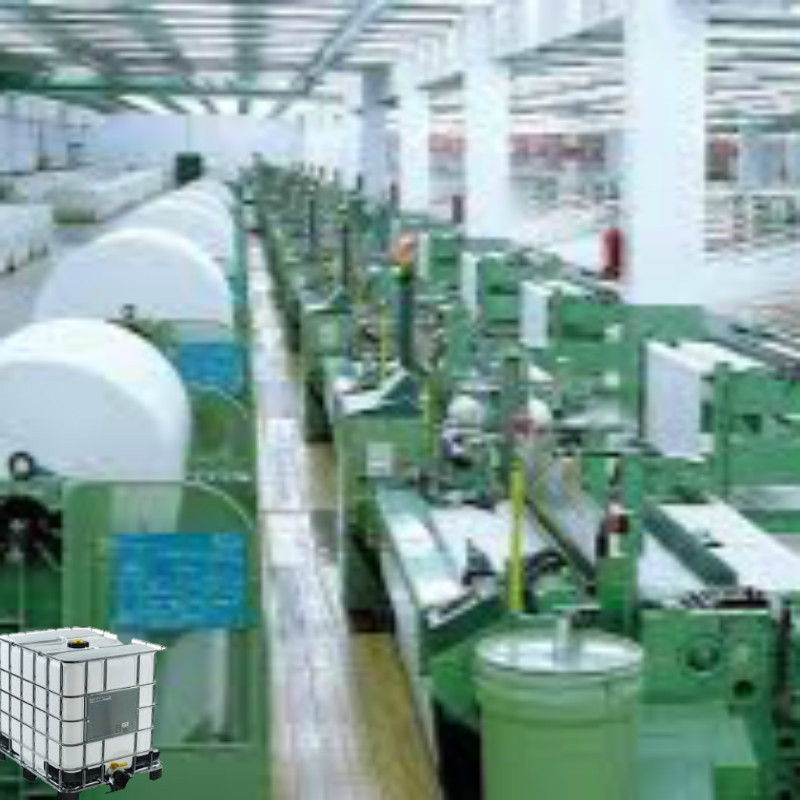
Modern blackout fabrics are used in residential interiors, commercial buildings, healthcare facilities, transportation, and hospitality projects. Although application requirements differ between markets, manufacturers generally seek stable production, predictable processing, and consistent finished ... read more

Zhejiang Ruico Advanced Materials Co., Ltd is a professional acrylic resins Manufacturers and flame retardants factory, our company was established in 2012, listed in China on 2019, Ruico is a national high-tech enterprise, Passed ISO9001 quality management system, have provincial-level R&D center, hired academicians, PhD, and other technicians totally 35 people, got 42 patents, the rule-maker of national flame retardant standards.
Application sustainability English
 España
 русский
 Deutsch
 No.188, Liangshan Road, Linghu Town, Nanxun District, Huzhou City, Zhejiang Province, China
 +86 (572)
2903236
+86 (572)
2903236 +86 (572)
2905222
+86 (572)
2905222 +86 15088303595
 +86 15088303595
