Quality is not tested at the end — it’s built into every step. At Ruico Global, we operate a comprehensive quality assurance system that ensures our SBR and Acrylic latexes meet international standards for performance and consistency. Our production facilities are equipped with automated monitoring... read more
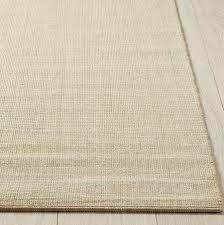
Efficiency defines competitiveness. Ruico Global’s SBR and Acrylic latexes are developed to improve coating uniformity, reduce drying times, and enhance process stability for carpet and turf production. Through advanced particle size control and surface chemistry optimization, our latexes exhibit c... read more
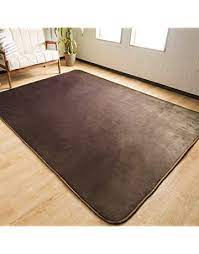
Outdoor environments can be unpredictable, but your materials shouldn’t be. Ruico Global’s weather-resistant SBR and Acrylic latexes are engineered to deliver long-term durability and adhesion under temperature and moisture conditions. Our advanced formulations maintain their performance across wi... read more
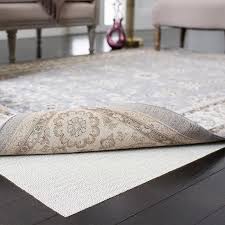
No two manufacturers are alike — and neither are their requirements. That’s why Ruico Global offers customized SBR and Acrylic latex formulations tailored to meet specific regional, climatic, and process needs. From high-humidity coastal environments to dry, temperature-sensitive production lines, o... read more
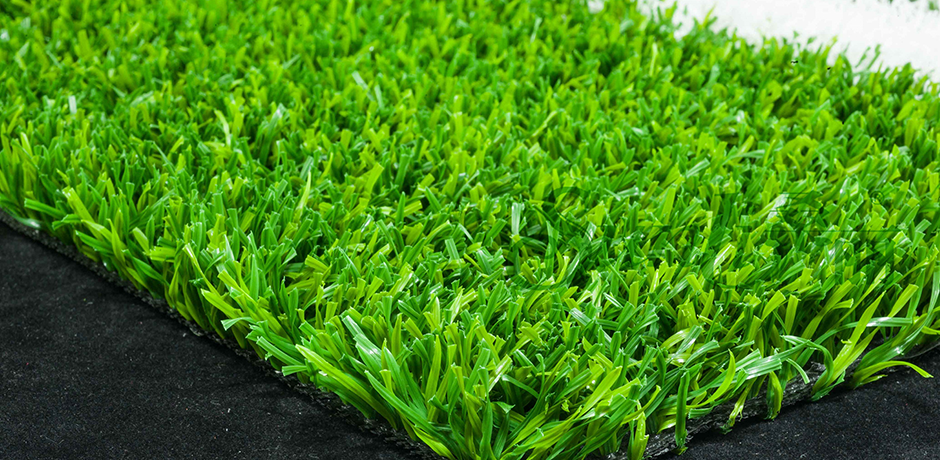
Sustainability is no longer optional — it’s essential. At Ruico Global, we take pride in producing eco-friendly SBR and Acrylic latexes that align with international environmental standards while maintaining performance for carpet and turf applications. Our production process incorporates energy-e... read more

Zhejiang Ruico Advanced Materials Co., Ltd is a professional acrylic resins Manufacturers and flame retardants factory, our company was established in 2012, listed in China on 2019, Ruico is a national high-tech enterprise, Passed ISO9001 quality management system, have provincial-level R&D center, hired academicians, PhD, and other technicians totally 35 people, got 42 patents, the rule-maker of national flame retardant standards.
Application sustainability English
 España
 русский
 Deutsch
 No.188, Liangshan Road, Linghu Town, Nanxun District, Huzhou City, Zhejiang Province, China
 +86 (572)
2903236
+86 (572)
2903236 +86 (572)
2905222
+86 (572)
2905222 +86 15088303595
 +86 15088303595
