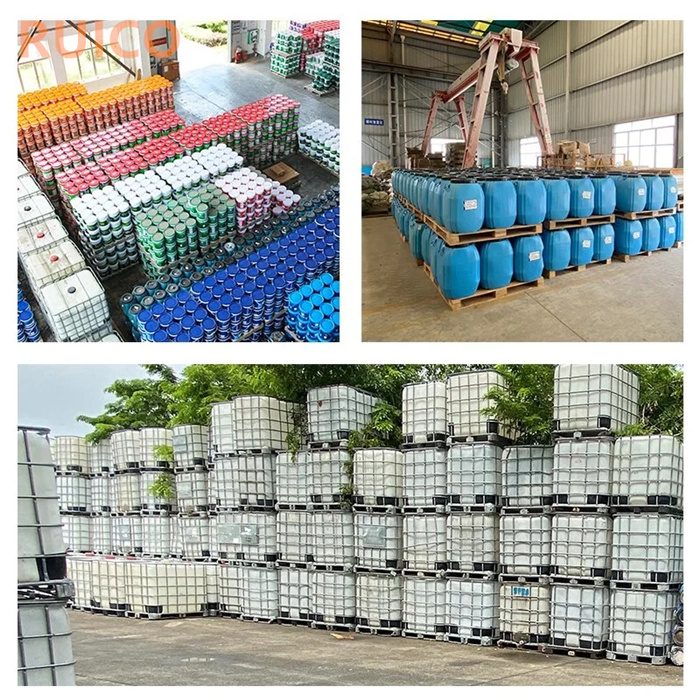
Why High-Quality NBR Latex Is the Foundation of Premium Medical Gloves By Zhejiang Ruico Advanced Materials The healthcare industry relies on disposable medical gloves as one of its first lines of defense against cross-contamination. From hospitals and diagnostic laboratories to pharmaceutical manuf... read more
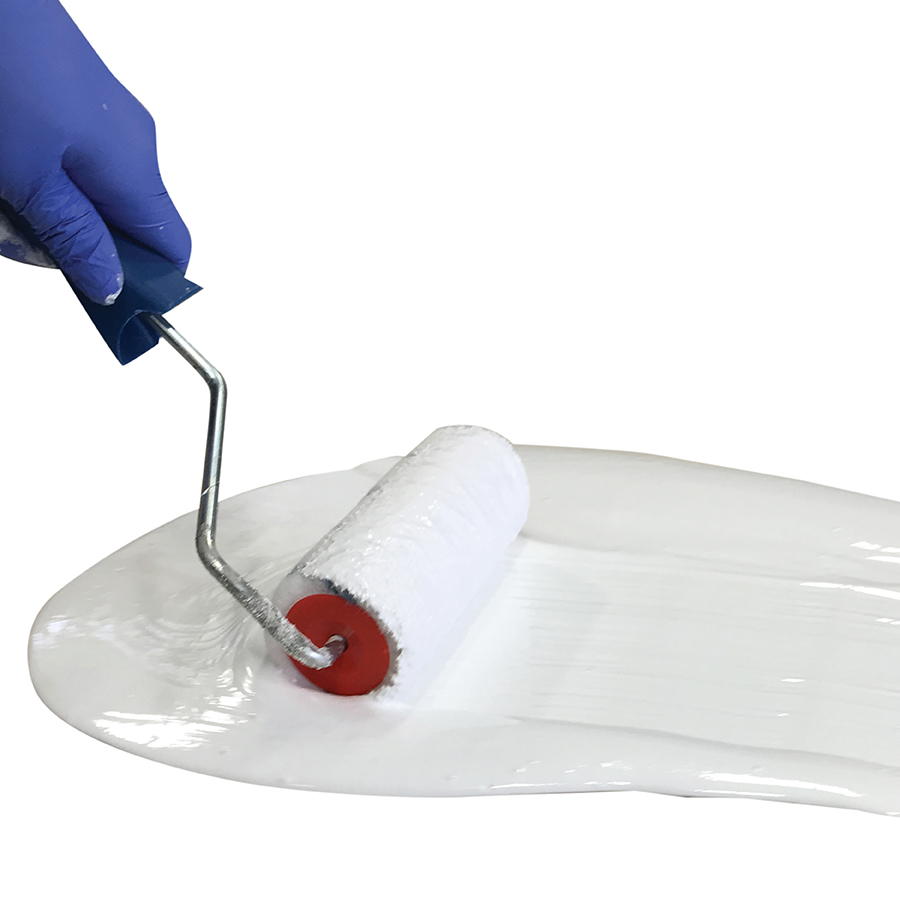
Proper application is essential for achieving the best performance from any protective coating. While RF-8888 Peelable Protective Coating Gel is designed for easy use, following recommended application procedures helps maximize protection, improve peeling performance, and ensure consistent results a... read more
Glass and stainless steel are among the most widely used materials in modern architecture, manufacturing, and transportation. Their attractive appearance, durability, and corrosion resistance make them ideal for countless applications. However, these premium materials are also highly vulnerable to s... read more
Glass and stainless steel are among the most widely used materials in modern architecture, manufacturing, and transportation. Their attractive appearance, durability, and corrosion resistance make them ideal for countless applications. However, these premium materials are also highly vulnerable to s... read more
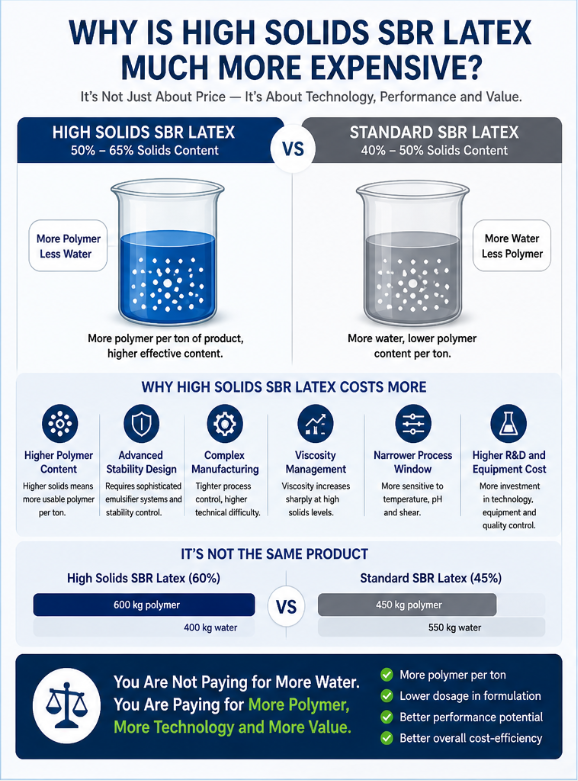
Reducing production costs while maintaining high product quality is a constant objective for manufacturers worldwide. Surface damage during production, transportation, and installation can result in expensive repairs, delayed deliveries, and dissatisfied customers. Peelable protective coating techno... read more

Zhejiang Ruico Advanced Materials Co., Ltd is a professional acrylic resins Manufacturers and flame retardants factory, our company was established in 2012, listed in China on 2019, Ruico is a national high-tech enterprise, Passed ISO9001 quality management system, have provincial-level R&D center, hired academicians, PhD, and other technicians totally 35 people, got 42 patents, the rule-maker of national flame retardant standards.
Application sustainability English
 España
 русский
 Deutsch
 No.188, Liangshan Road, Linghu Town, Nanxun District, Huzhou City, Zhejiang Province, China
 +86 (572)
2903236
+86 (572)
2903236 +86 (572)
2905222
+86 (572)
2905222 +86 15088303595
 +86 15088303595
