
At Ruico Global, we support New Zealand’s pursuit of sustainable and high-quality flooring materials through our advanced SBR latex for carpet backing. Designed for durability and environmental compatibility, our latex helps manufacturers achieve good performance while aligning with modern eco-goals... read more

New Zealand’s diverse climate—from coastal humidity to alpine chill—demands carpet materials that resist both moisture and wear. Ruico Global’s acrylic latex provides exceptional weather resistance and strong bonding performance, helping manufacturers deliver carpets that last. Our acrylic latex ens... read more

In New Zealand’s flooring industry, comfort and environmental responsibility go hand in hand. Ruico Global offers low-odor SBR latex formulated to enhance both production efficiency and workplace safety, making it ideal for carpet manufacturers seeking high-quality, user-friendly materials. Our SBR ... read more
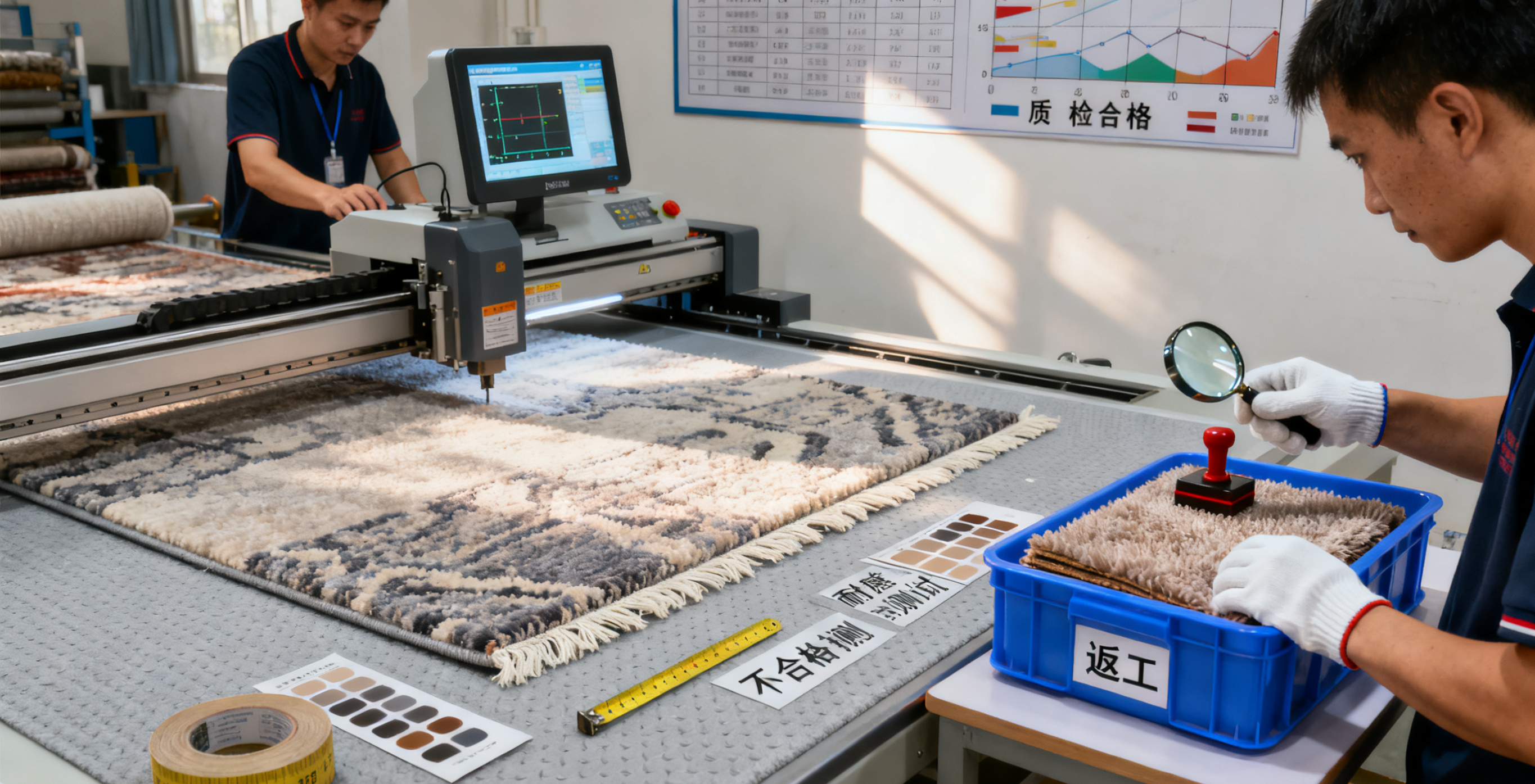
Ruico Global supplies acrylic latex specially designed for carpet manufacturing where adhesion strength and weather resistance are priorities. With New Zealand’s variable climate and high design standards, our products help carpet makers achieve reliable performance and long-lasting quality. Our acr... read more
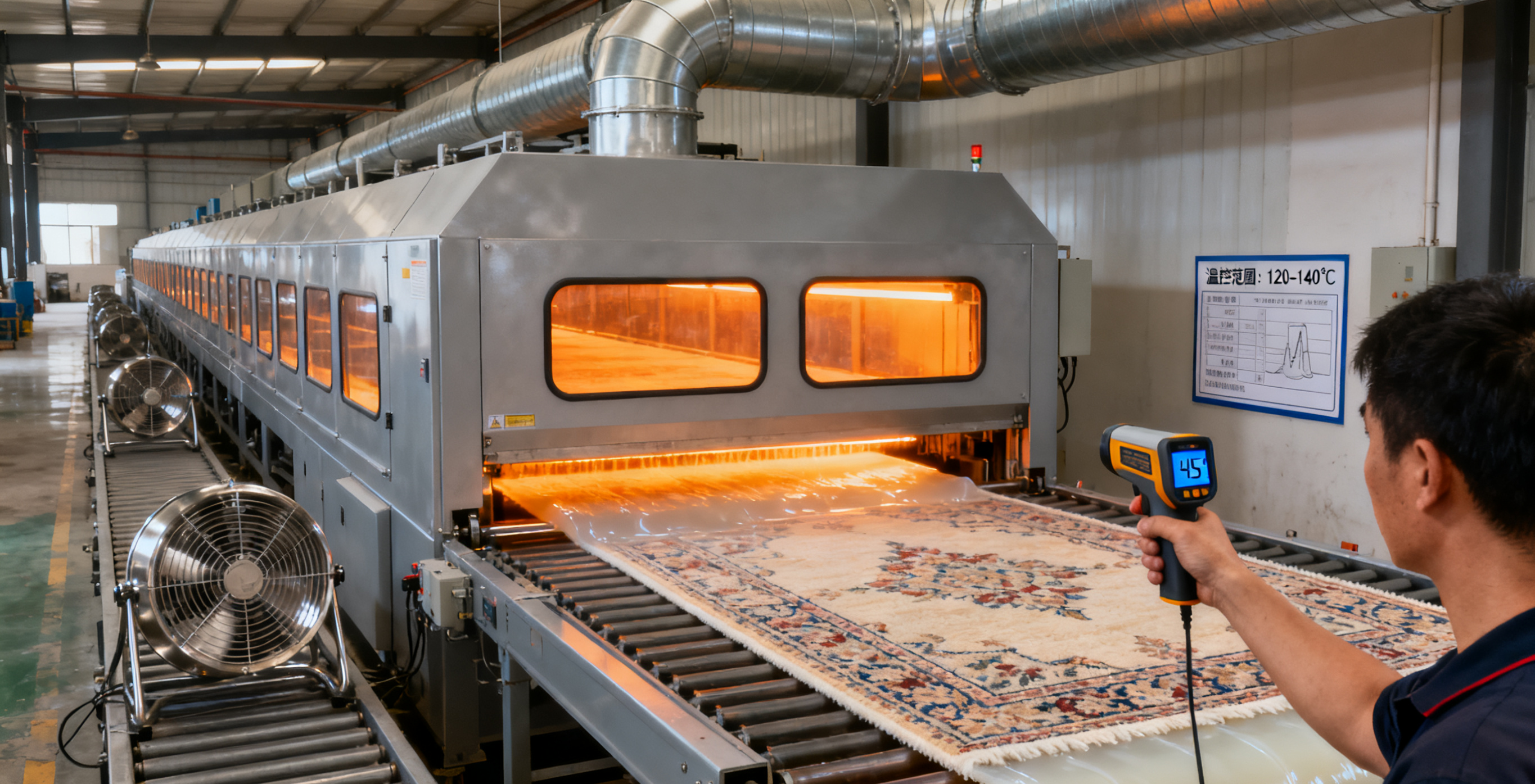
At Ruico Global, we understand New Zealand’s strong commitment to quality and environmental responsibility. Our SBR latex for carpet backing is designed to deliver durable performance while supporting sustainable manufacturing. Produced in our international-standard facility, it provides the reliabi... read more

Zhejiang Ruico Advanced Materials Co., Ltd is a professional acrylic resins Manufacturers and flame retardants factory, our company was established in 2012, listed in China on 2019, Ruico is a national high-tech enterprise, Passed ISO9001 quality management system, have provincial-level R&D center, hired academicians, PhD, and other technicians totally 35 people, got 42 patents, the rule-maker of national flame retardant standards.
Application sustainability English
 España
 русский
 Deutsch
 No.188, Liangshan Road, Linghu Town, Nanxun District, Huzhou City, Zhejiang Province, China
 +86 (572)
2903236
+86 (572)
2903236 +86 (572)
2905222
+86 (572)
2905222 +86 15088303595
 +86 15088303595
