
The pigment mixing stability of the emulsion refers to the stability to added pigments. The choice of pigment and the mixing method all affect the stability of the emulsion. Storage stability refers to the difficulty of emulsion deterioration during storage. Including the stability of the concentra... read more
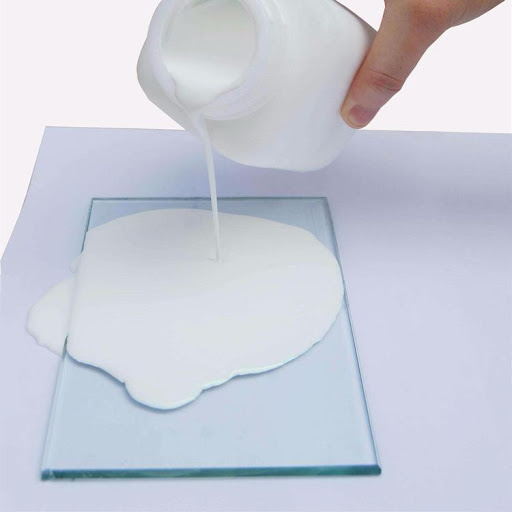
Simply put, the chemical stability of the emulsion-the ability of the emulsion to not break and flocculate when it comes into contact with chemicals, especially electrolytes; the mechanical stability of the emulsion-the ability of the emulsion to not break and flocculate when it is transported by a ... read more

Due to the different indoor and outdoor environments, there are great differences, and there are also different requirements for paint emulsions. Generally speaking, emulsions for exterior wall coatings have higher requirements than those for interior wall coatings, because exterior wall coatings ar... read more

Generally, in the non-corrosive air, the application temperature of the national standard polyurea coating can be as high as 120°C. Generally, in non-corrosive water, the application temperature limit of the national standard polyurea coating is recommended not to exceed 50°C. But please note th... read more
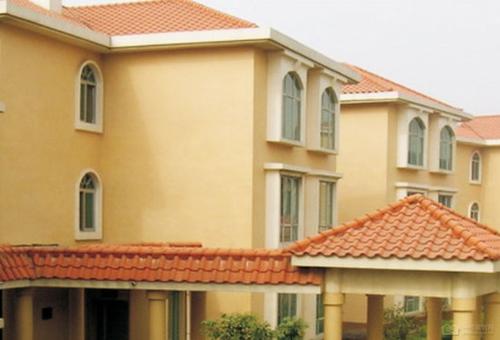
Styrene-acrylic emulsion polymers are based on a group of chemicals that are true workhorses in the field of polymer chemistry. Known as acrylates, this group includes acrylic acid and its esters — methyl acrylate, butyl acrylate, ethyl acrylate, and 2-ethylhexyl acrylate. All of these acrylic mono... read more

Zhejiang Ruico Advanced Materials Co., Ltd is a professional acrylic resins Manufacturers and flame retardants factory, our company was established in 2012, listed in China on 2019, Ruico is a national high-tech enterprise, Passed ISO9001 quality management system, have provincial-level R&D center, hired academicians, PhD, and other technicians totally 35 people, got 42 patents, the rule-maker of national flame retardant standards.
Application sustainability English
 España
 русский
 Deutsch

 No.188, Liangshan Road, Linghu Town, Nanxun District, Huzhou City, Zhejiang Province, China
 +86 (572)
2903236
 +86 (572)
2905222
 +86 15088303595
 +86 15088303595

