SBR Latex Technology for Carpet Backing: Innovation and Performance from Zhejiang Ruico Advanced Materials The carpet industry relies on advanced materials to create flooring products that combine durability, comfort, and aesthetic appeal. While carpet design often focuses on yarn quality and surfac... read more
SBR Latex for Carpet Manufacturing: Enhancing Durability, Stability, and Performance By Zhejiang Ruico Advanced Materials The global carpet industry continues to evolve as manufacturers strive to deliver flooring solutions that combine durability, comfort, and aesthetic appeal. Behind the visible be... read more
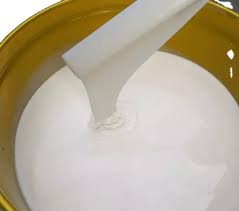
Introduction Medical gloves are an essential component of modern healthcare systems. They serve as a critical barrier between healthcare workers and patients, preventing the transmission of infectious agents, biological fluids, and chemical contaminants. Among the various materials used to m... read more
Introduction Disposable gloves are essential protective products widely used in healthcare, laboratories, food processing, electronics manufacturing, and industrial environments. Among the various materials used to manufacture disposable gloves, Nitrile Butadiene Rubber (NBR) latex has become one of... read more
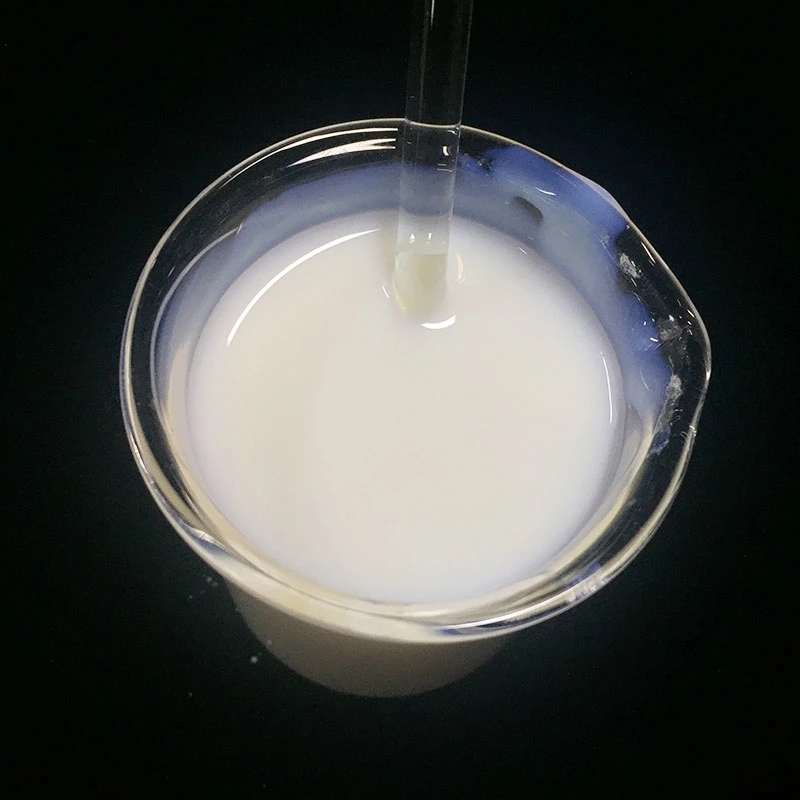
In the competitive paper industry, manufacturers continuously look for ways to improve product performance while maintaining cost efficiency. One important strategy is optimizing the binder system used in paper coating formulations. Styrene-butadiene rubber (SBR) latex binders play a key role in coa... read more

Zhejiang Ruico Advanced Materials Co., Ltd is a professional acrylic resins Manufacturers and flame retardants factory, our company was established in 2012, listed in China on 2019, Ruico is a national high-tech enterprise, Passed ISO9001 quality management system, have provincial-level R&D center, hired academicians, PhD, and other technicians totally 35 people, got 42 patents, the rule-maker of national flame retardant standards.
Application sustainability English
 España
 русский
 Deutsch
 No.188, Liangshan Road, Linghu Town, Nanxun District, Huzhou City, Zhejiang Province, China
 +86 (572)
2903236
+86 (572)
2903236 +86 (572)
2905222
+86 (572)
2905222 +86 15088303595
 +86 15088303595
