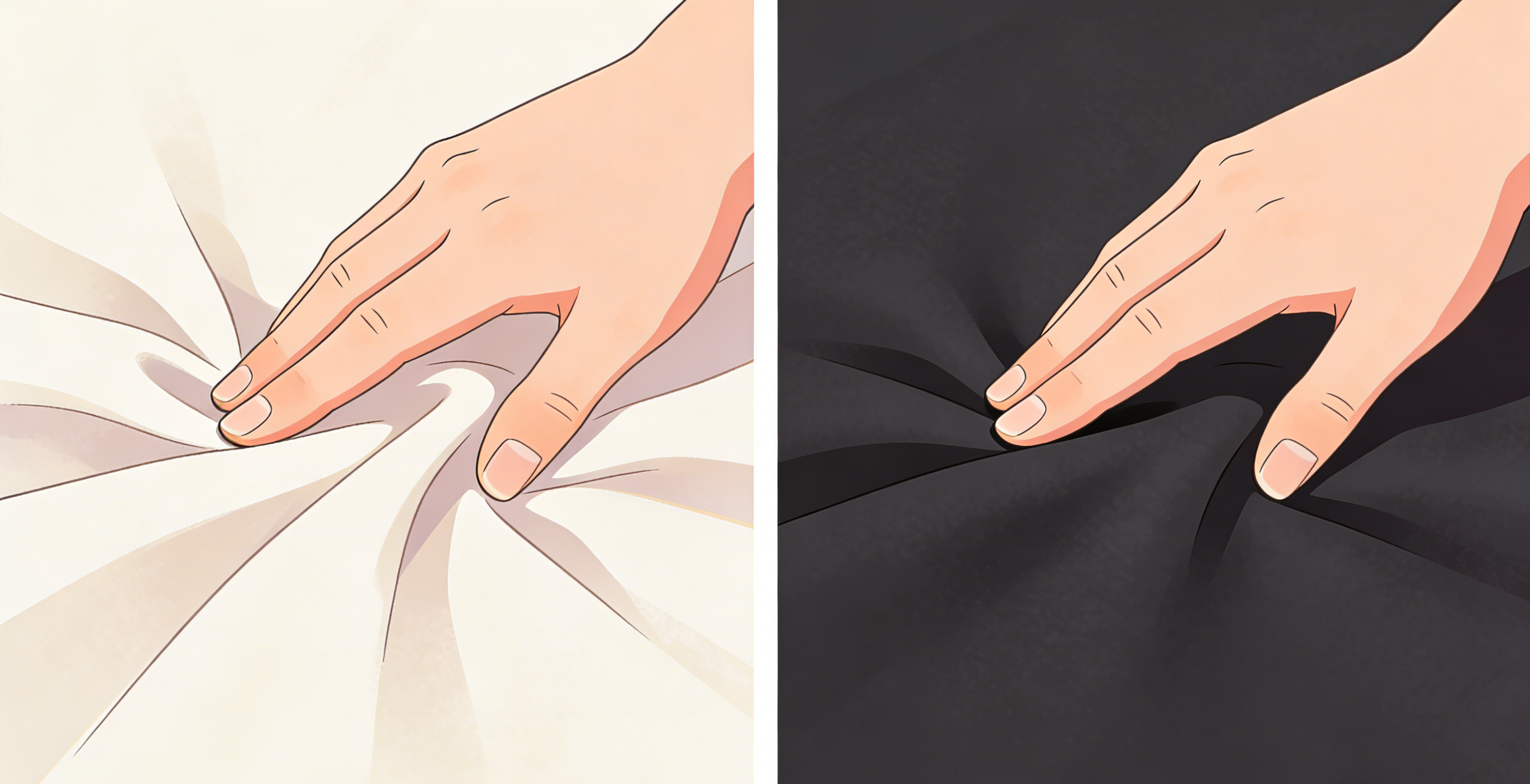
One important characteristics of an effective anti-stick coating is a dry surface feel. Consumers expect curtains and blinds to feel clean and smooth, not oily or slippery. Modern anti-stick coating binders are engineered to deliver slipperiness without surface greasiness. After curing, the coating ... read more
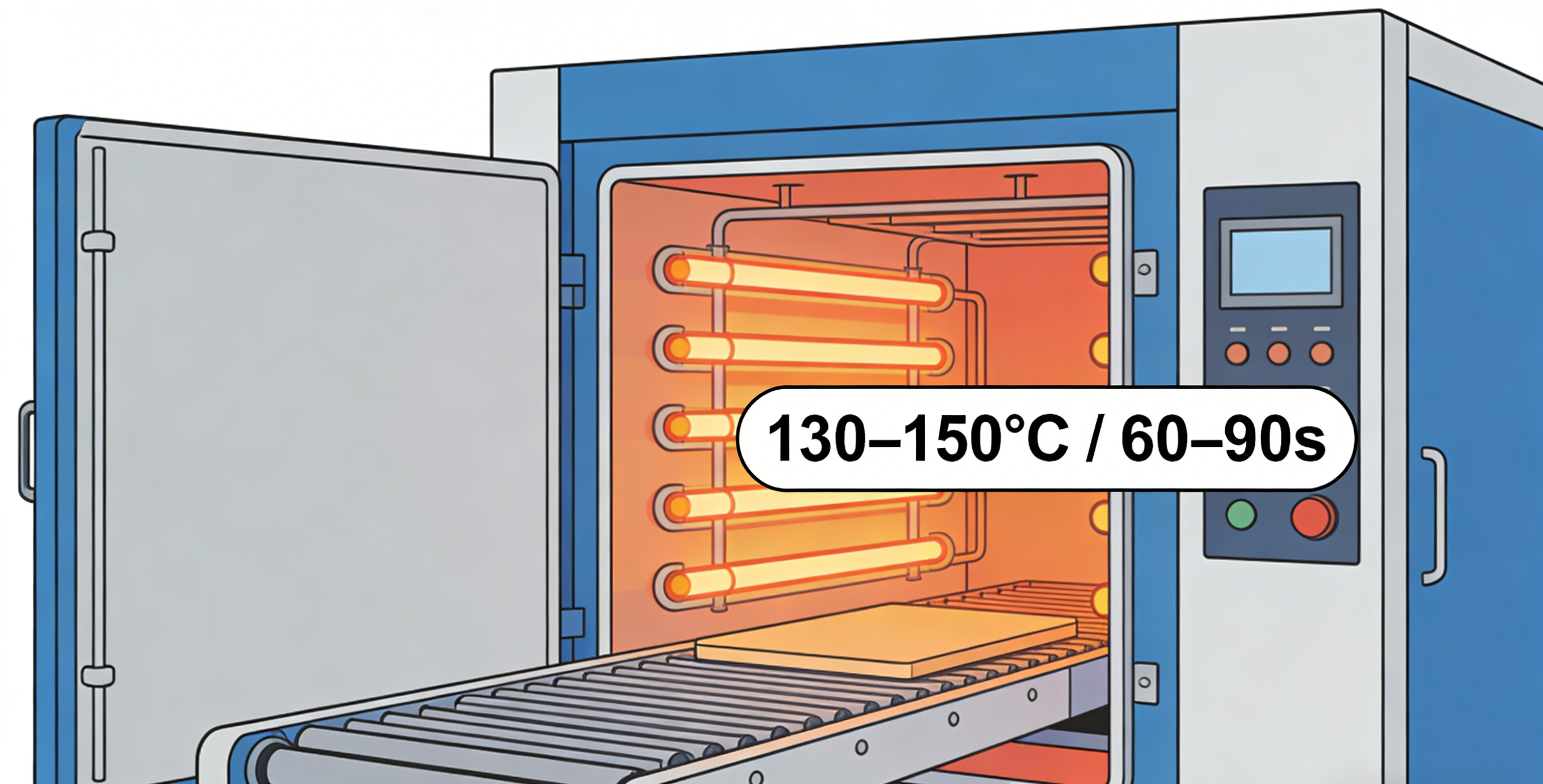
Thermal exposure is unavoidable in foam coating processes, where curing temperatures typically reach 130–150°C. Anti-stick coating binders must maintain performance under these conditions without degradation or discoloration. Silicone-grafted acrylic systems offer thermal stability. They resist yell... read more
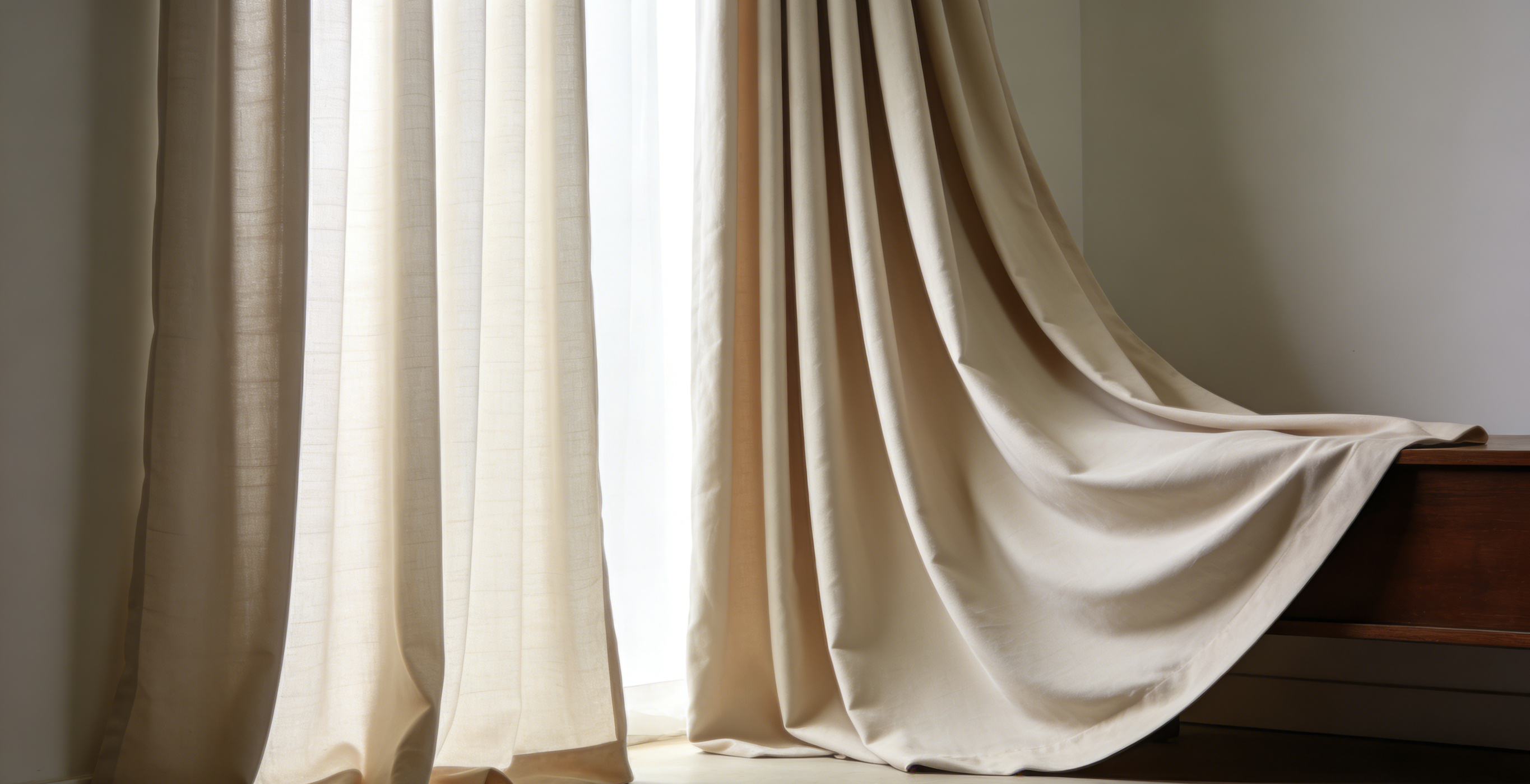
Foam-coated curtains are frequently exposed to humid environments, condensation, and occasional cleaning. Surface water resistance therefore plays an important role in maintaining appearance and performance. Anti-stick coating binders with silicone functionality naturally enhance water repellency. T... read more
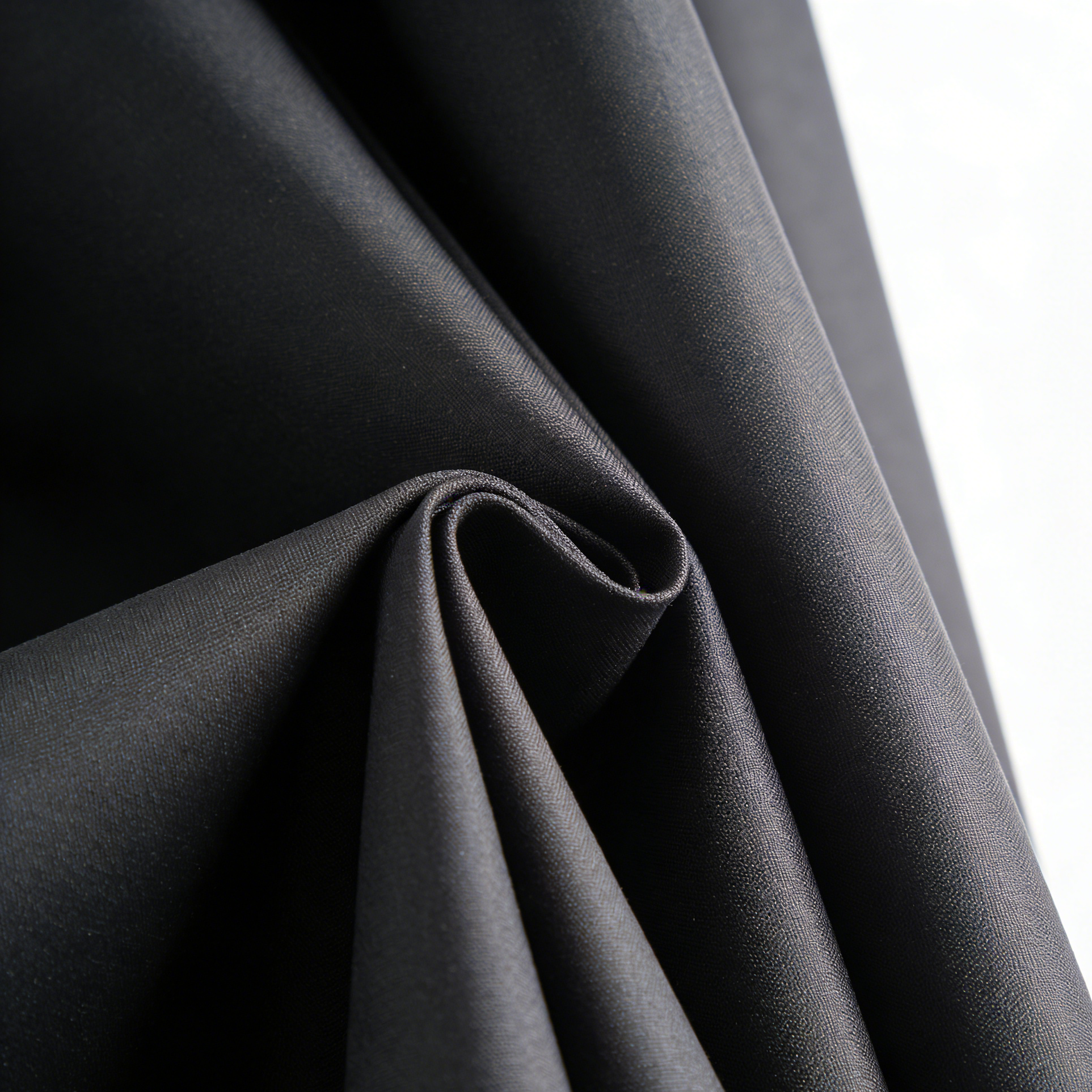
Handling efficiency is a critical but often underestimated factor in curtain manufacturing. Sticky foam-coated surfaces can cause fabric layers to cling together, slowing down cutting, sewing, and inspection operations. Anti-stick coating binders directly address these operational challenges. By red... read more
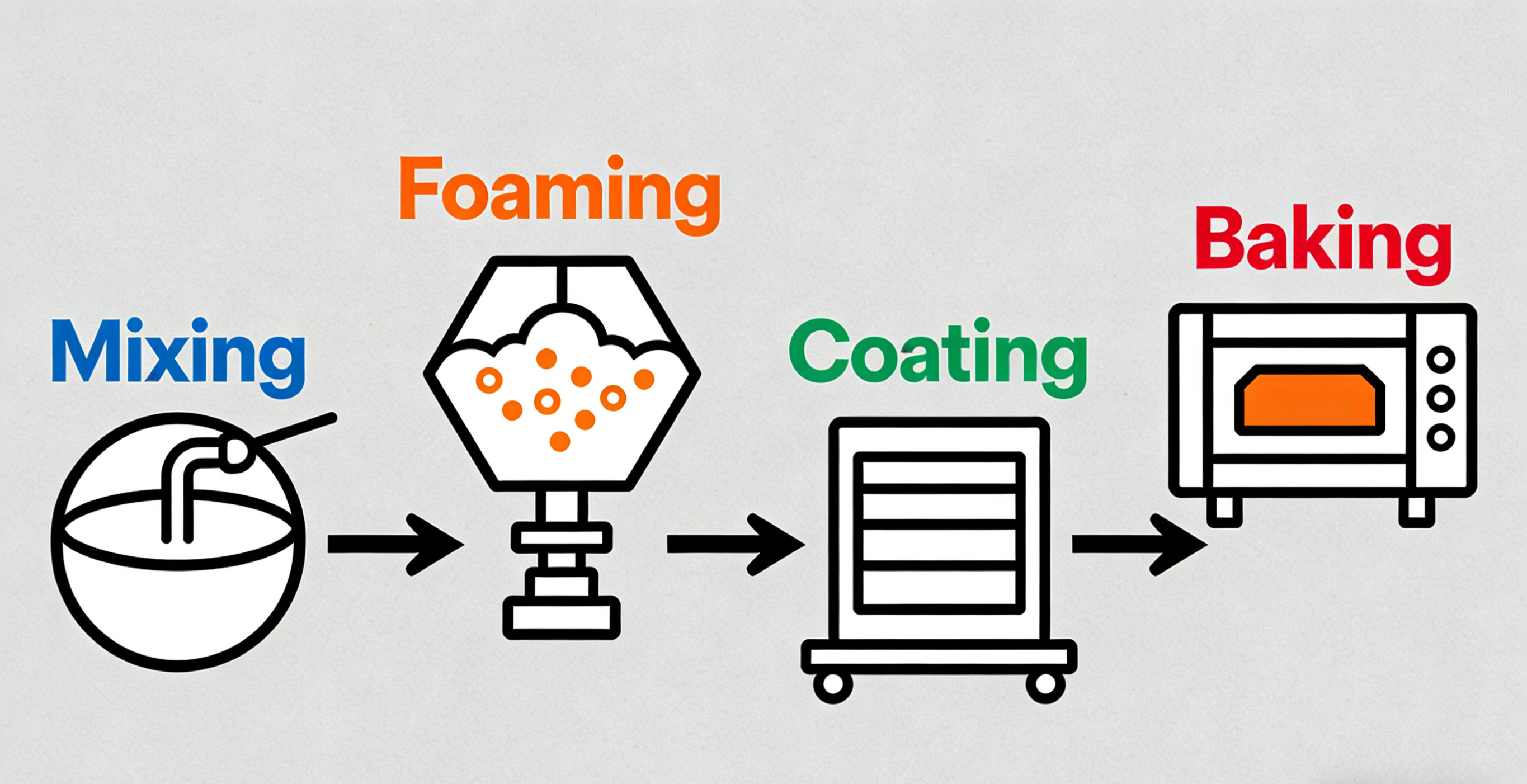
Silicone and acrylic polymers each bring distinct advantages to textile finishing. Silicone offers slip, water repellency, and temperature resistance, while acrylic polymers provide film integrity, adhesion, and process stability. Silicone-grafted acrylic copolymers combine these advantages into a s... read more

Zhejiang Ruico Advanced Materials Co., Ltd is a professional acrylic resins Manufacturers and flame retardants factory, our company was established in 2012, listed in China on 2019, Ruico is a national high-tech enterprise, Passed ISO9001 quality management system, have provincial-level R&D center, hired academicians, PhD, and other technicians totally 35 people, got 42 patents, the rule-maker of national flame retardant standards.
Application sustainability English
 España
 русский
 Deutsch
 No.188, Liangshan Road, Linghu Town, Nanxun District, Huzhou City, Zhejiang Province, China
 +86 (572)
2903236
+86 (572)
2903236 +86 (572)
2905222
+86 (572)
2905222 +86 15088303595
 +86 15088303595
