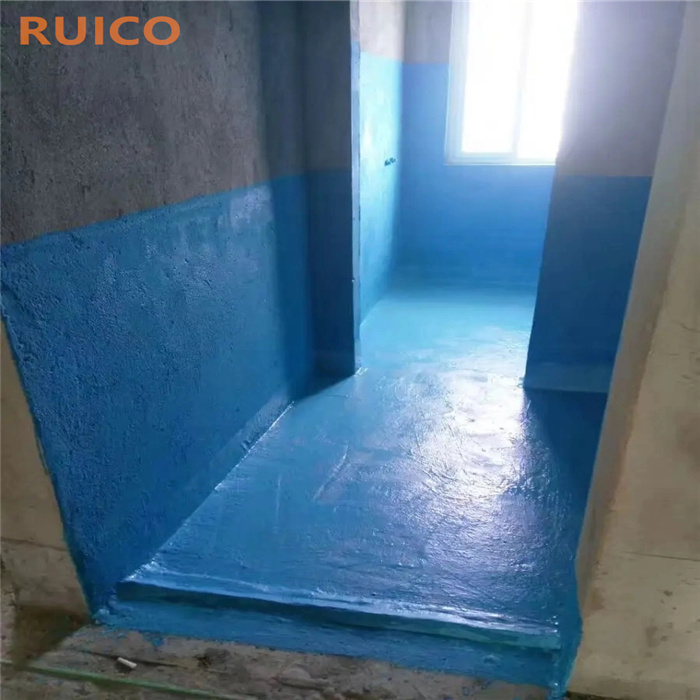
For Sales Inquiries: [email protected] Modern architecture demands more than just basic waterproofing; it requires a sophisticated, integrated defense system for the entire building envelope. From the foundational cement additives to the final exterior coatings and sealants, every layer mus... read more
For Sales Inquiries: [email protected] In the demanding world of architectural construction, coatings and sealants are defense against the elements (p. 21). Yet, traditional materials often fall short, common failures such as peeling, cracking, and water infiltration shortly after applicat... read more
Market Trends and Sustainability Challenges in the Global SBR Industry Styrene-Butadiene Rubber (SBR) has long been a foundational material in the global rubber industry, particularly within automotive and industrial sectors. As markets evolve and environmental concerns intensify, the SBR industry i... read more
Styrene-Butadiene Rubber (SBR): Properties, Production, and Industrial Applications Styrene-Butadiene Rubber (SBR) is one of the most widely used synthetic rubbers in the world and plays a critical role in modern industrial manufacturing. Developed initially as a substitute for natural rubber, SBR h... read more
Advancing Clinical Safety and Comfort — The Role of NBR Latex Medical Gloves By Zhejiang Ruico Advanced Materials In the dynamic environment of modern healthcare, protective gloves are indispensable. Whether in hospitals, laboratories, or dental clinics, gloves serve as a critical barrier against in... read more

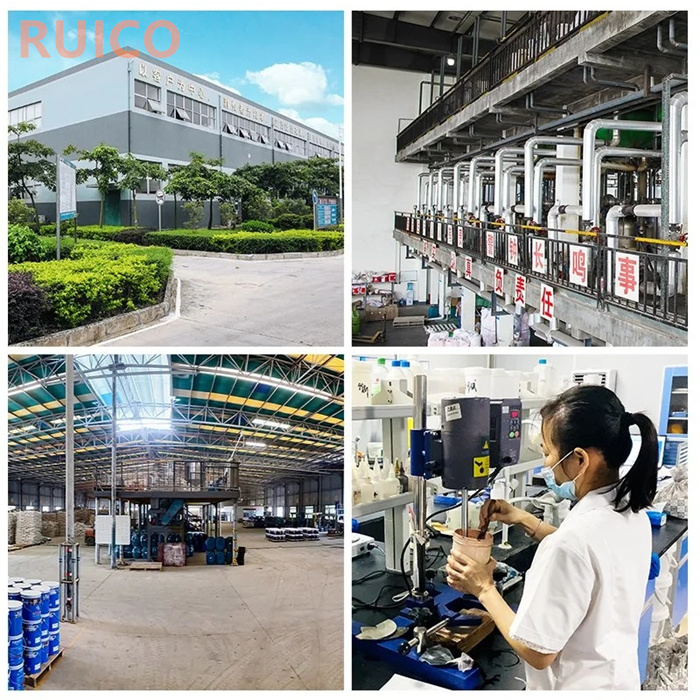
Zhejiang Ruico Advanced Materials Co., Ltd is a professional acrylic resins Manufacturers and flame retardants factory, our company was established in 2012, listed in China on 2019, Ruico is a national high-tech enterprise, Passed ISO9001 quality management system, have provincial-level R&D center, hired academicians, PhD, and other technicians totally 35 people, got 42 patents, the rule-maker of national flame retardant standards.
Application sustainability English
 España
 русский
 Deutsch
 No.188, Liangshan Road, Linghu Town, Nanxun District, Huzhou City, Zhejiang Province, China
 +86 (572)
2903236
+86 (572)
2903236 +86 (572)
2905222
+86 (572)
2905222 +86 15088303595
 +86 15088303595
