High‑Performance Carboxylated NBR Latex: Driving Quality Upgrade for Modern Disposable Gloves By Zhejiang Ruico Advanced New Materials Against the backdrop of rising global requirements for personal protective equipment, nitrile‑butadiene rubber (NBR) latex has become the core synthetic raw mat... read more
RF-9608A SBR Latex: Connecting Polymer Technology with Construction Polymer technology and construction materials are becoming increasingly connected. For construction chemical manufacturers, polymer latex provides an opportunity to modify traditional cement-based formulations and develop products a... read more
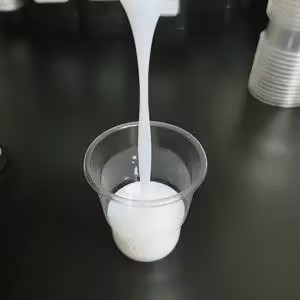
What Should You Look for in an SBR Latex Supplier? When purchasing chemical raw materials internationally, price is important. But price is not the only factor. For manufacturers, the real value of a supplier can also come from product consistency, technical documentation, communication, logistics s... read more
A Practical Choice for Cement-Based Construction Materials Construction chemical manufacturers are constantly looking for ways to improve their formulations while maintaining efficient production. When developing cement-based materials, polymer latex can be an important component for modifying the f... read more
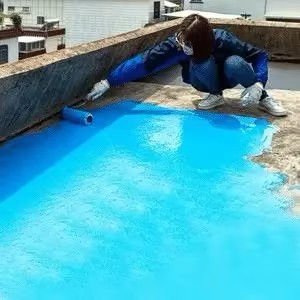
How Can SBR Latex Help Cement-Based Product Development? Developing a new construction material is rarely a one-step process. Formulation engineers need to evaluate raw materials, optimize the formulation, conduct laboratory testing, and finally confirm performance under actual production conditions... read more

Zhejiang Ruico Advanced Materials Co., Ltd is a professional acrylic resins Manufacturers and flame retardants factory, our company was established in 2012, listed in China on 2019, Ruico is a national high-tech enterprise, Passed ISO9001 quality management system, have provincial-level R&D center, hired academicians, PhD, and other technicians totally 35 people, got 42 patents, the rule-maker of national flame retardant standards.
Application sustainability English
 España
 русский
 Deutsch
 No.188, Liangshan Road, Linghu Town, Nanxun District, Huzhou City, Zhejiang Province, China
 +86 (572)
2903236
+86 (572)
2903236 +86 (572)
2905222
+86 (572)
2905222 +86 15088303595
 +86 15088303595
