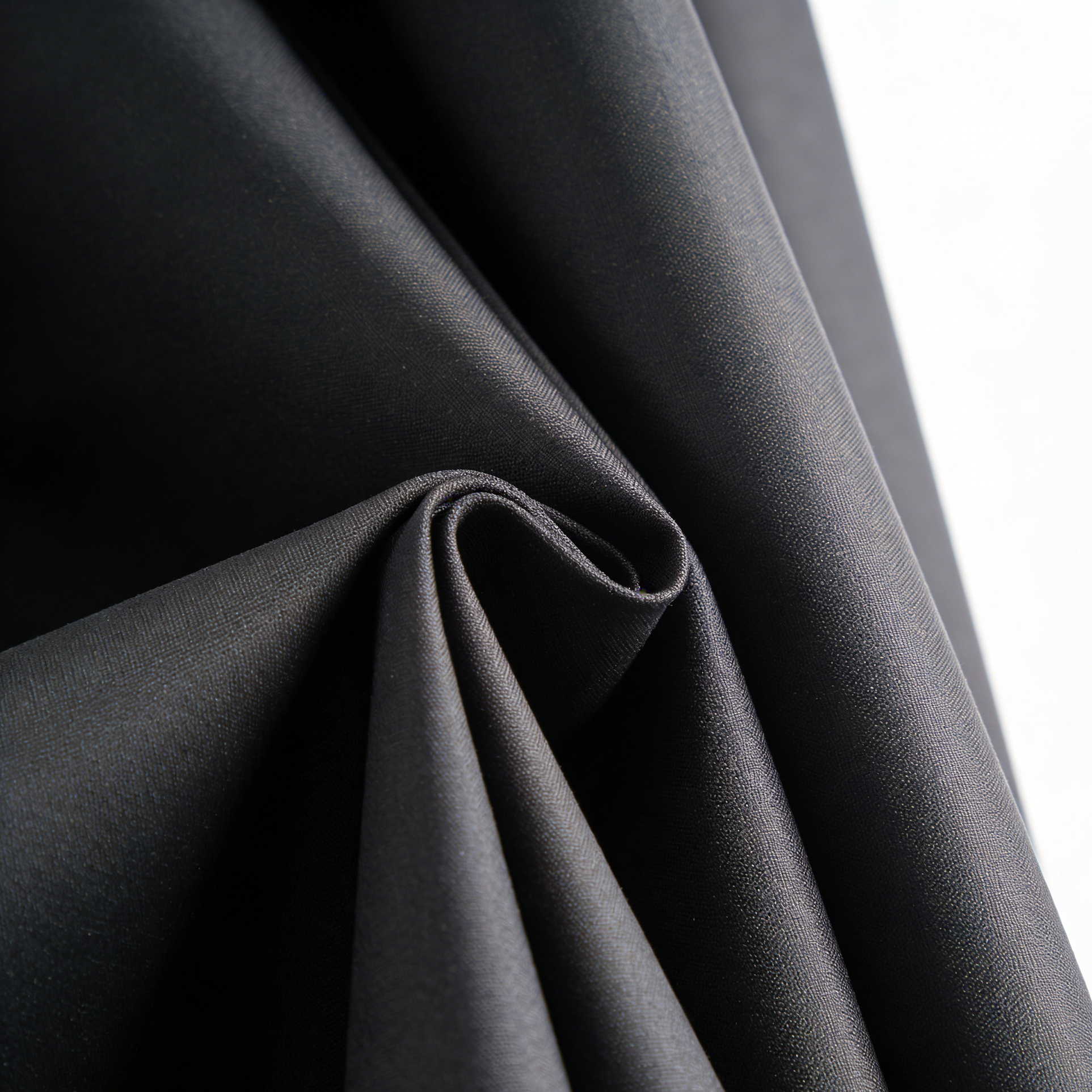
Blackout efficiency in curtains depends on more than pigment loading. The structure of the foam back coating, supported by the acrylic binder, plays a decisive role in light-blocking performance. A well-designed acrylic binder supports uniform dispersion of titanium dioxide and other fillers. This u... read more
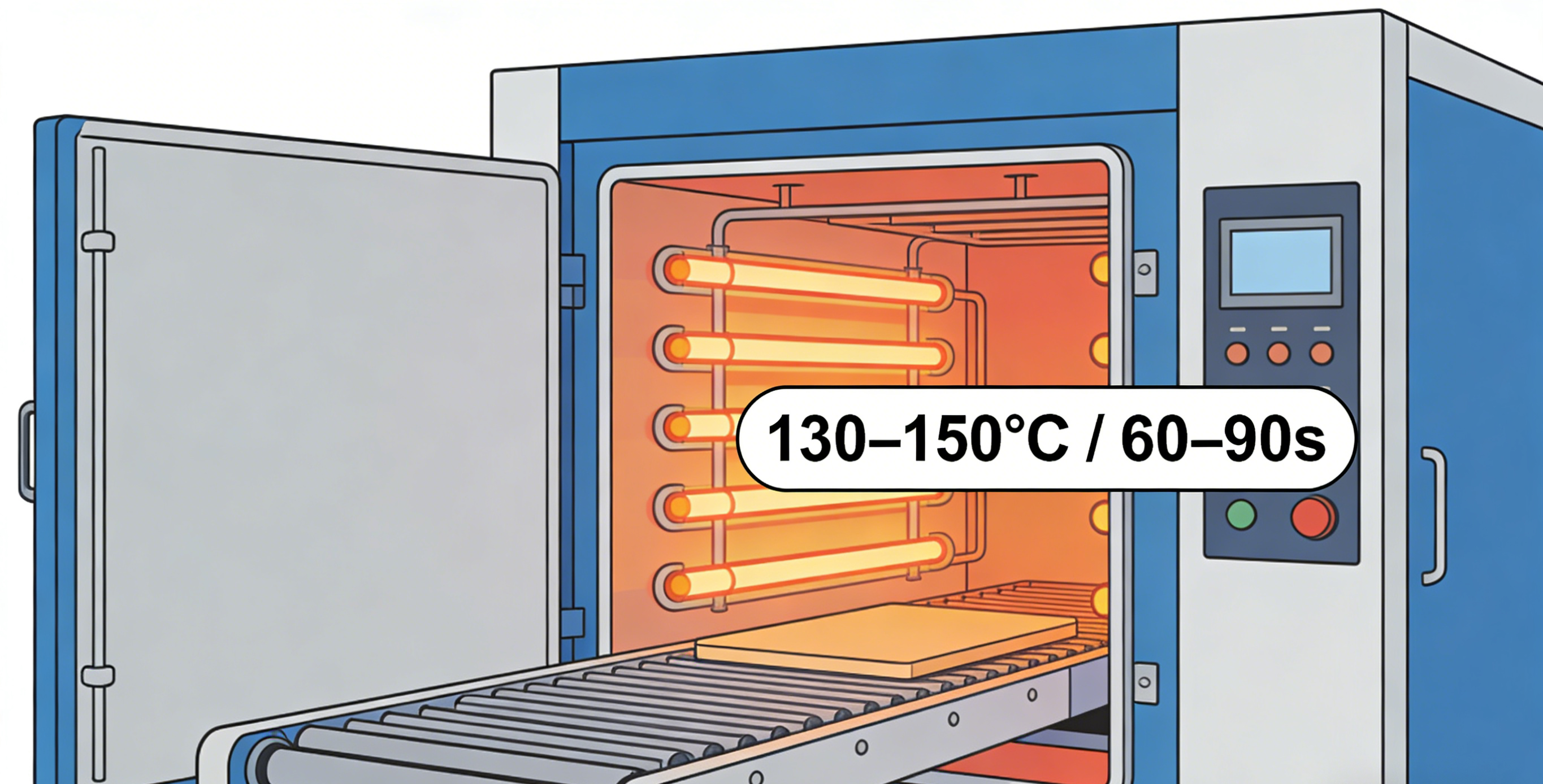
Industrial curtain production requires high process consistency to maintain quality and efficiency. Acrylic foam coating binders contribute significantly to stable processing by offering predictable rheology, foaming behavior, and curing performance. Low and stable viscosity allows the binder to dis... read more
Curtains are exposed to varying environmental conditions throughout their service life, including humidity, condensation, and washing. Therefore, water resistance is a critical property of foam back coatings. Acrylic binders designed for curtain applications address this requirement through polymer ... read more
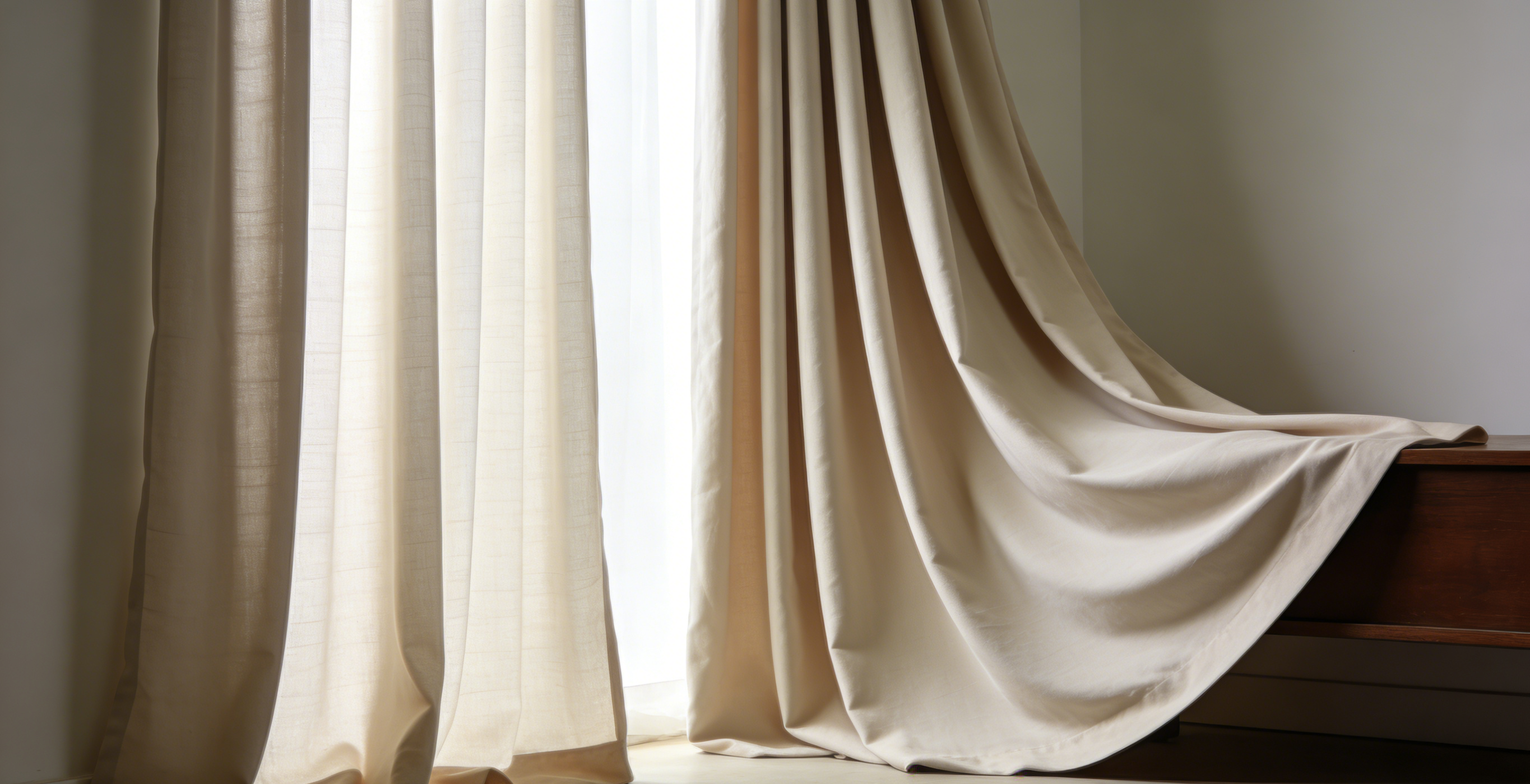
In curtain applications, performance requirements extend beyond light-blocking efficiency. Softness, drape, and hand feel are equally important, as they directly affect consumer perception and product value. Acrylic foam coating binders play a central role in achieving this balance. The glass transi... read more
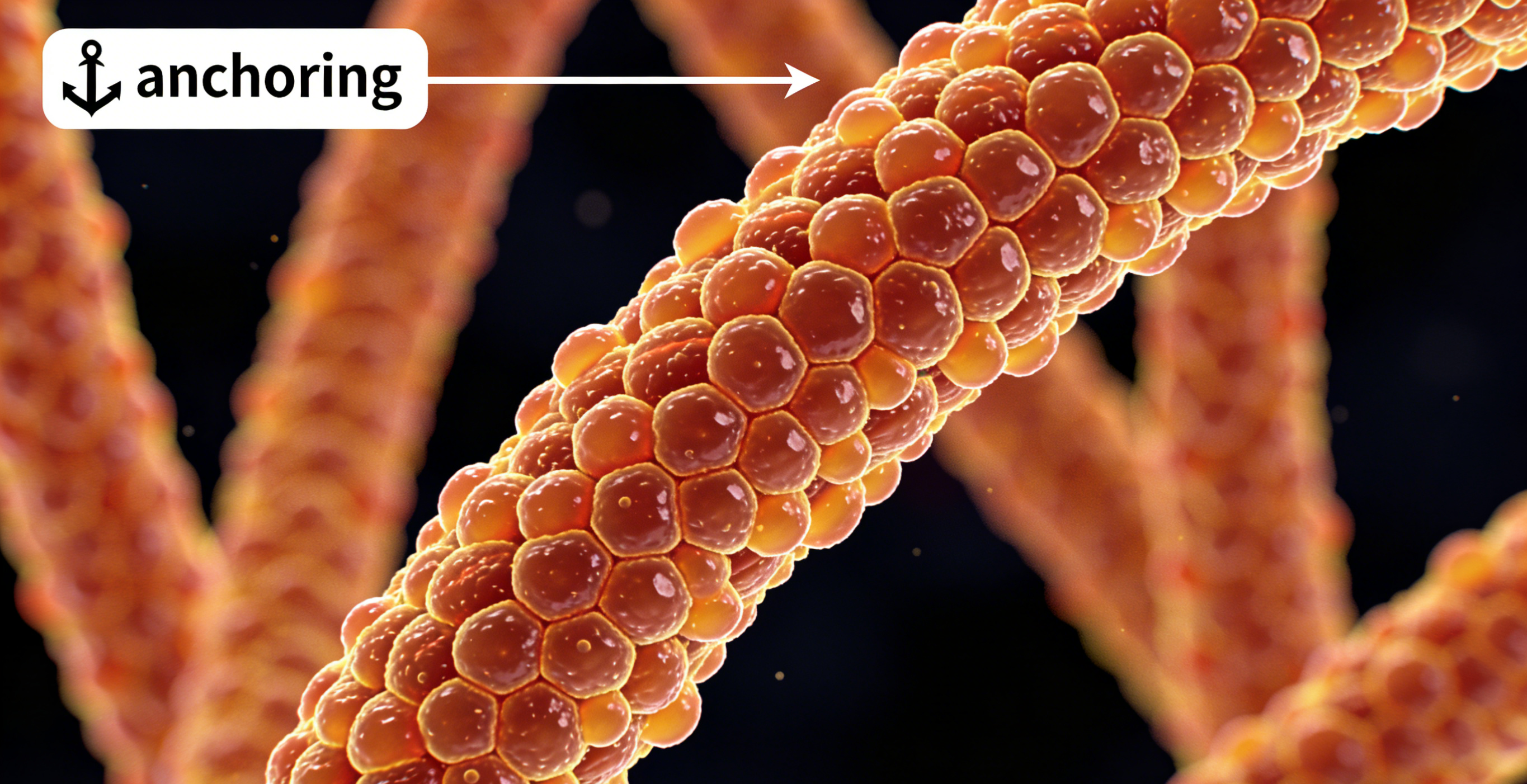
Polyester remains the dominant substrate in curtain manufacturing due to its durability, dimensional stability, and cost efficiency. However, its low surface energy presents challenges for coating adhesion, particularly in foam back coating applications. Acrylic binders developed for curtain use are... read more

Zhejiang Ruico Advanced Materials Co., Ltd is a professional acrylic resins Manufacturers and flame retardants factory, our company was established in 2012, listed in China on 2019, Ruico is a national high-tech enterprise, Passed ISO9001 quality management system, have provincial-level R&D center, hired academicians, PhD, and other technicians totally 35 people, got 42 patents, the rule-maker of national flame retardant standards.
Application sustainability English
 España
 русский
 Deutsch
 No.188, Liangshan Road, Linghu Town, Nanxun District, Huzhou City, Zhejiang Province, China
 +86 (572)
2903236
+86 (572)
2903236 +86 (572)
2905222
+86 (572)
2905222 +86 15088303595
 +86 15088303595
