The Evolution and Applications of Styrene-Butadiene Rubber (SBR)Styrene-Butadiene Rubber, commonly abbreviated as SBR, stands as one of the most pivotal synthetic materials in modern industry. Developed during World War II as a substitute for natural rubber, which was in short supply due to wartime ... read more
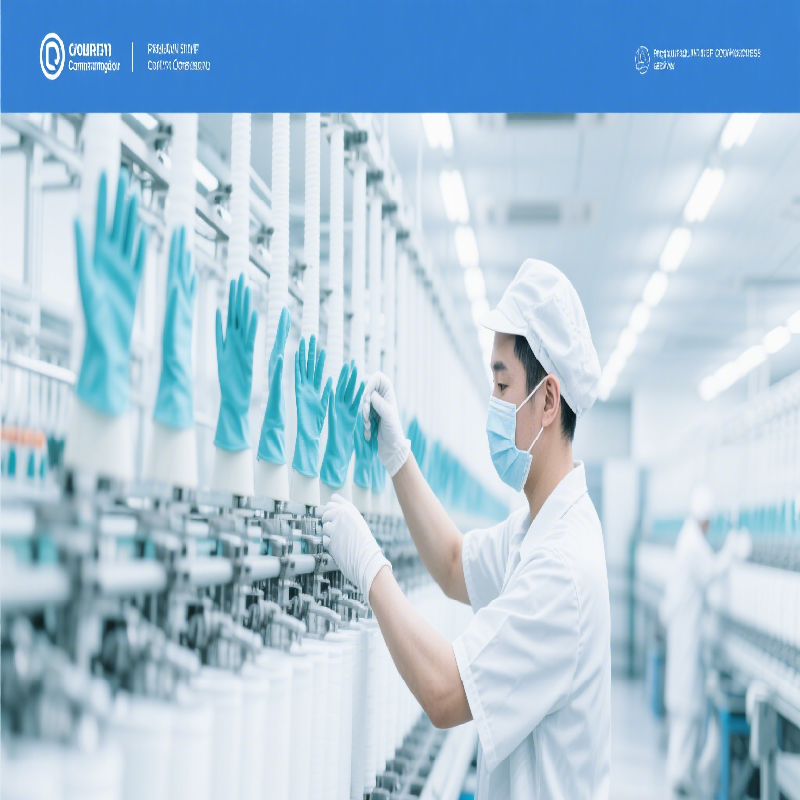
Modern glove lines operate at high speeds and high throughput, placing increased stress on NBR latex systems. Robust formulations must withstand continuous shear, temperature variation, and contamination without performance loss. Latex systems designed with narrow stability margins often fail under ... read more
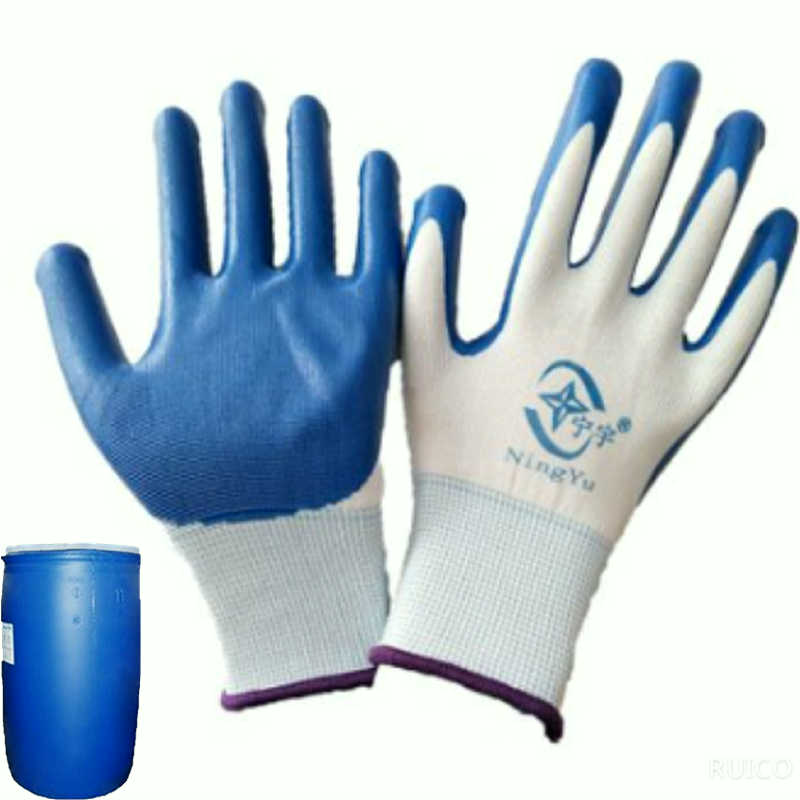
Uniform film formation is essential for glove strength, appearance, and barrier performance. In NBR dipping systems, film quality depends not only on latex properties but also on formulation design. Viscosity, particle size distribution, and surface tension all influence latex pickup and drainage be... read more
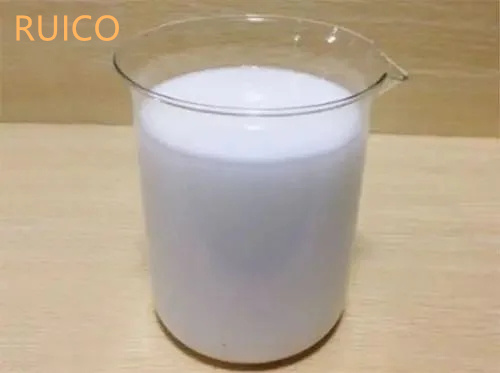
Coagulant carryover is an unavoidable reality in glove dipping processes. Calcium nitrate and calcium chloride solutions inevitably enter the latex tank during repeated dipping cycles. As divalent calcium ions accumulate, they strongly neutralize the surface charge of NBR latex particles. This leads... read more
NBR latex is the dominant material for disposable and industrial glove manufacturing due to its oil resistance and mechanical performance. However, dipping applications impose unique stability requirements that differ significantly from coating or adhesive systems. In a typical glove production line... read more

Zhejiang Ruico Advanced Materials Co., Ltd is a professional acrylic resins Manufacturers and flame retardants factory, our company was established in 2012, listed in China on 2019, Ruico is a national high-tech enterprise, Passed ISO9001 quality management system, have provincial-level R&D center, hired academicians, PhD, and other technicians totally 35 people, got 42 patents, the rule-maker of national flame retardant standards.
Application sustainability English
 España
 русский
 Deutsch

 No.188, Liangshan Road, Linghu Town, Nanxun District, Huzhou City, Zhejiang Province, China
 +86 (572)
2903236
 +86 (572)
2905222
 +86 15088303595
 +86 15088303595

