
As Malaysia continues to head up glove exports, compliance with international standards remains essential. Buyers in Europe, North America, and Asia demand gloves that meet strict performance, safety, and reliability requirements. The choice of raw materials has a direct impact on achieving these ce... read more
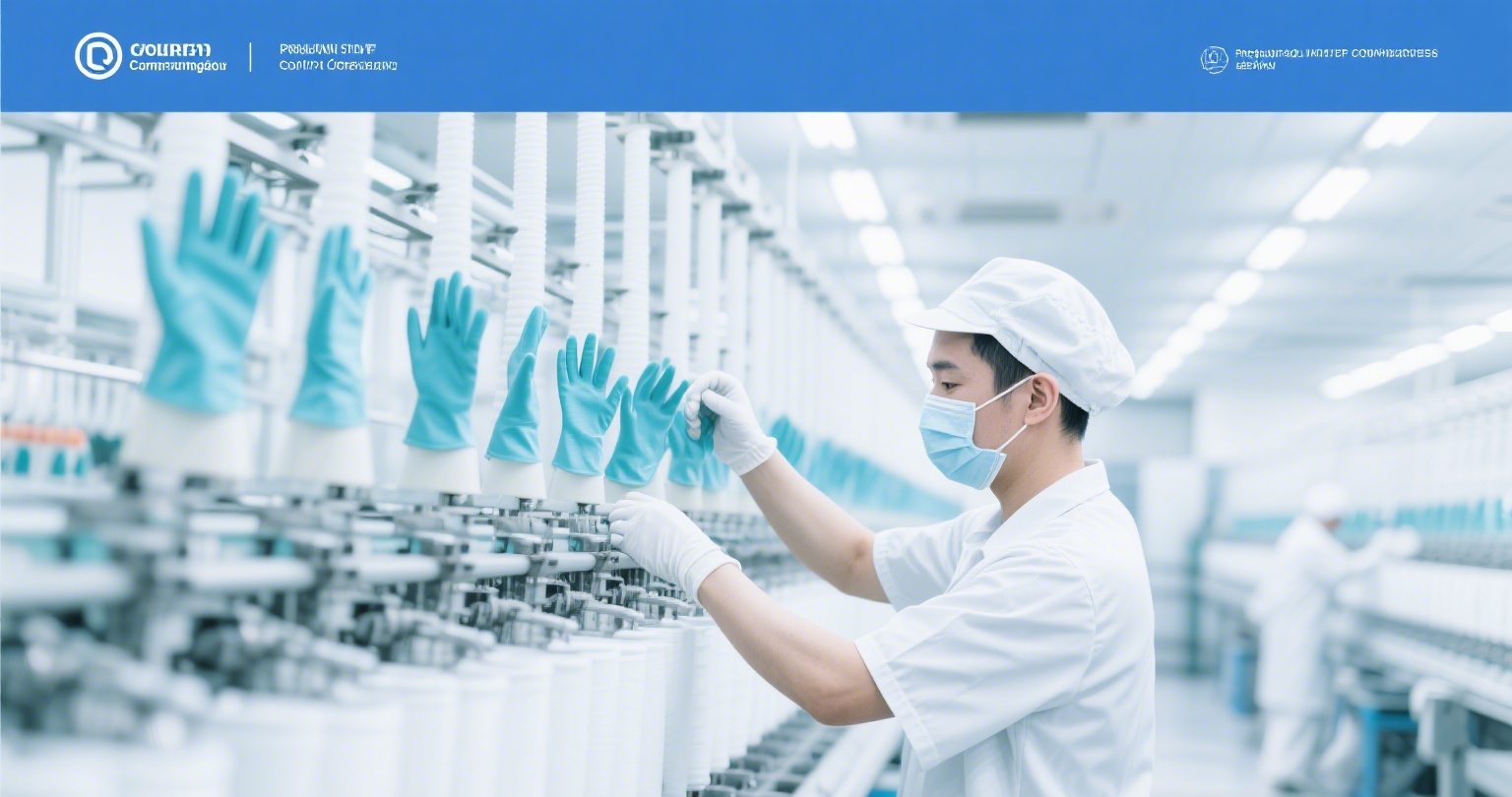
Malaysia’s glove factories often operate at very high capacities, producing millions of gloves daily for global distribution. In such environments, efficiency is critical to maintaining competitiveness. Variations in raw materials can downtime, waste, and inconsistent product quality. RUICO’s NBR la... read more
For glove manufacturers in Malaysia, the working environment inside production facilities plays a vital role in efficiency and staff well-being. Strong odors from raw materials can affect comfort and productivity, while also raising concerns under stricter workplace health and safety requirements. R... read more
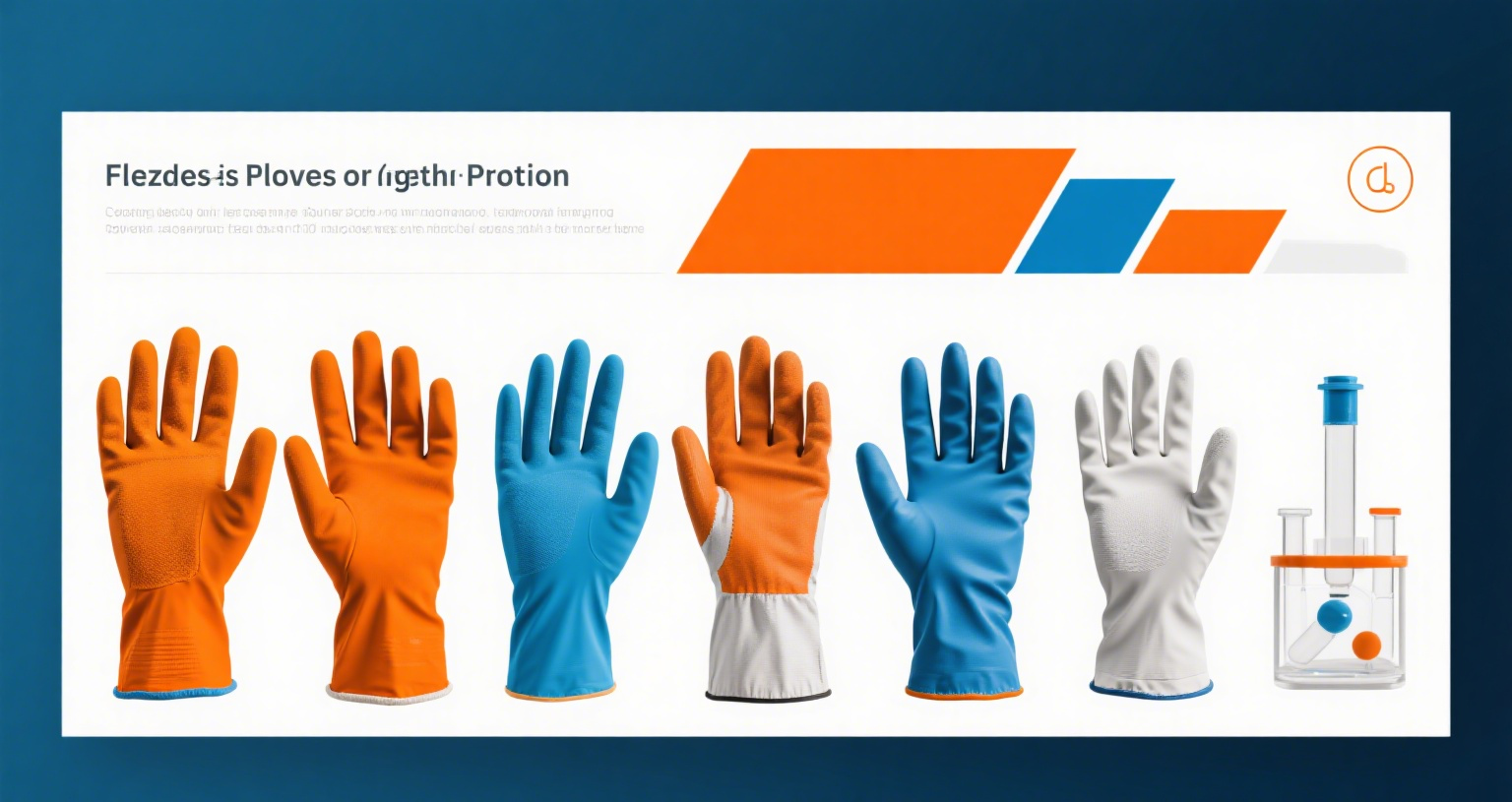
The global glove market is seeing a continued shift from natural rubber latex gloves to nitrile gloves, driven by increasing demand for latex-free products and better chemical resistance. Malaysia, as a major supplier, is at the center of this transition. RUICO supports this shift by providing NBR l... read more
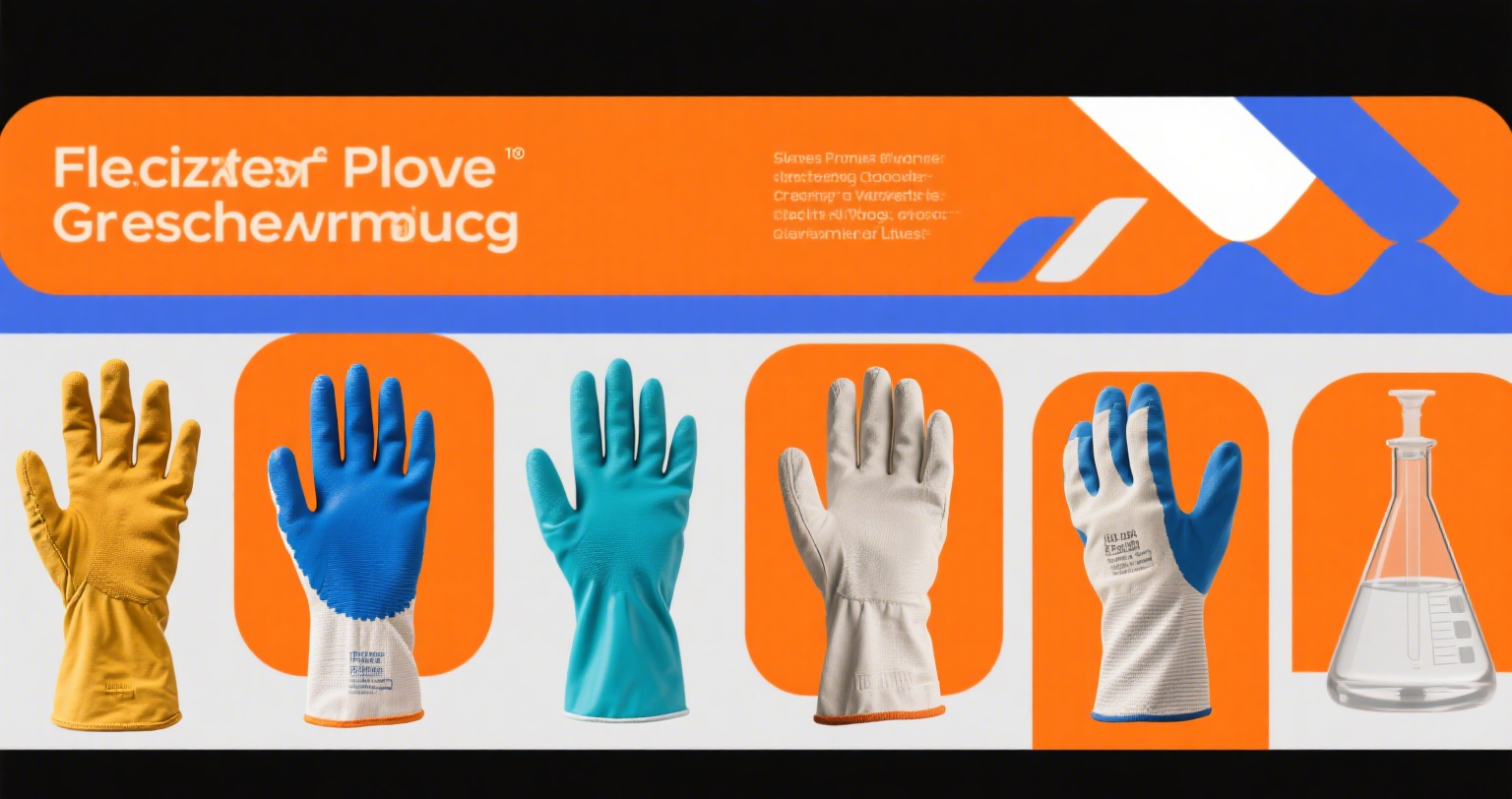
Malaysia’s glove producers supply to a broad range of industries, from hospitals and laboratories to automotive and construction. Each market requires gloves with different features, such as softness, puncture resistance, or chemical protection. Flexibility in raw material design is key to meeting t... read more

Zhejiang Ruico Advanced Materials Co., Ltd is a professional acrylic resins Manufacturers and flame retardants factory, our company was established in 2012, listed in China on 2019, Ruico is a national high-tech enterprise, Passed ISO9001 quality management system, have provincial-level R&D center, hired academicians, PhD, and other technicians totally 35 people, got 42 patents, the rule-maker of national flame retardant standards.
Application sustainability English
 España
 русский
 Deutsch
 No.188, Liangshan Road, Linghu Town, Nanxun District, Huzhou City, Zhejiang Province, China
 +86 (572)
2903236
+86 (572)
2903236 +86 (572)
2905222
+86 (572)
2905222 +86 15088303595
 +86 15088303595
