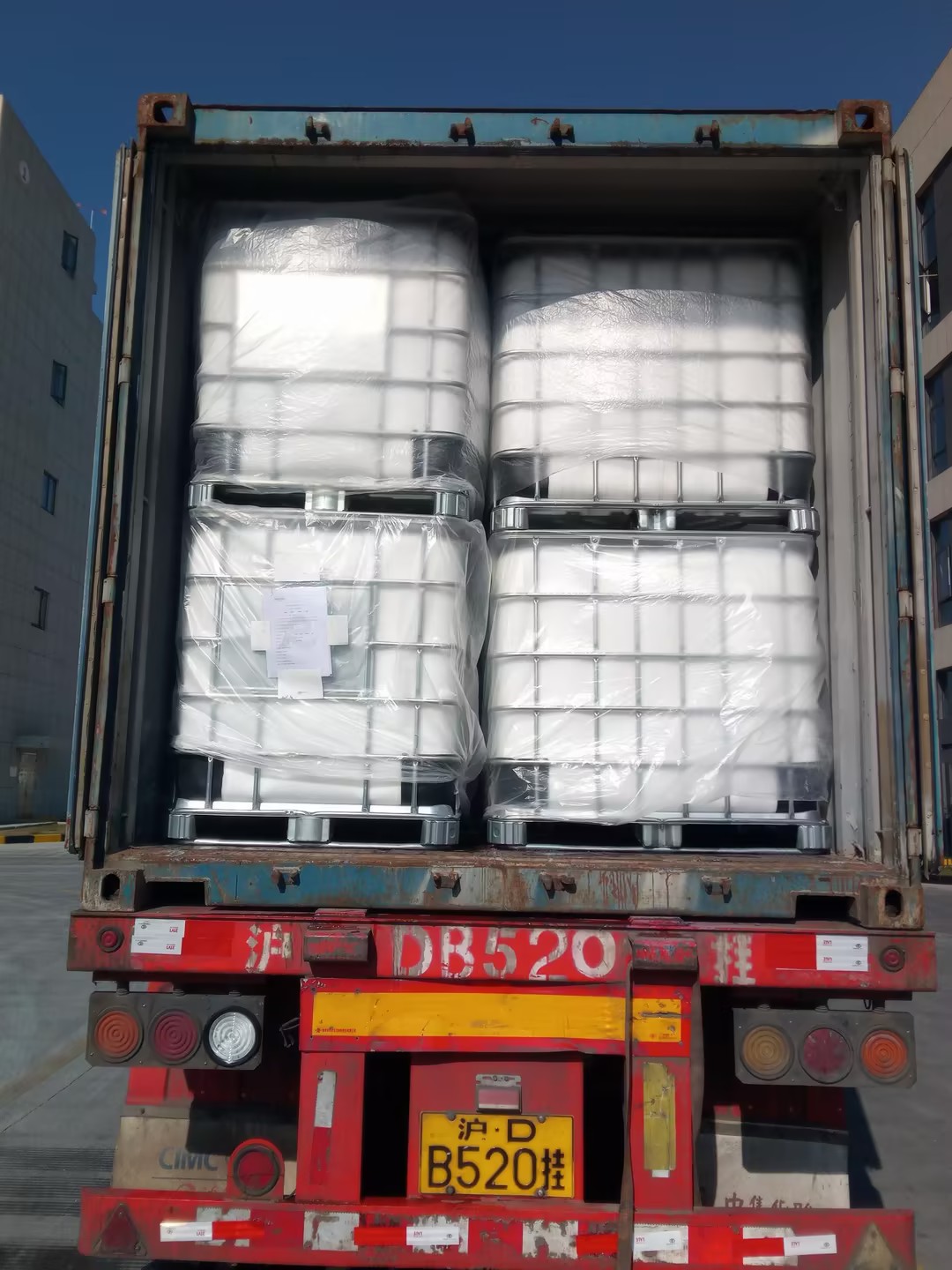
Surface protection plays a critical role in manufacturing, construction, and transportation. Every scratch, stain, or impact can lead to expensive repairs, customer complaints, or rejected products. As industries seek safer and more efficient solutions, water-based peelable protective coatings have ... read more
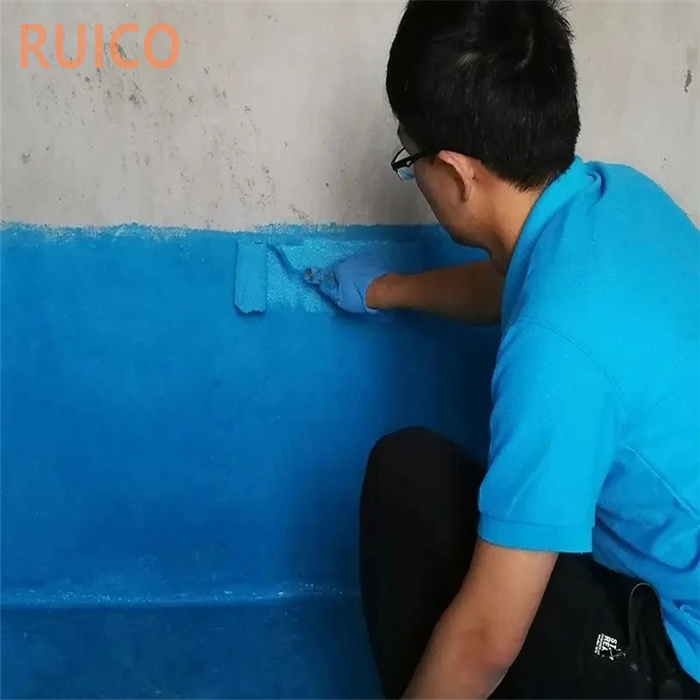
Modern manufacturing, construction, and transportation industries require reliable solutions to protect valuable surfaces from damage during production, storage, shipping, and installation. One of the most effective innovations in temporary surface protection is peelable protective coating gel. Unli... read more

Introduction As construction standards continue to evolve, builders and material manufacturers are under increasing pressure to develop cement-based products that offer superior performance, longer service life, and greater resistance to harsh environmental conditions. Conventional cement mortar has... read more
Introduction The construction industry is continuously seeking innovative materials that improve the performance of cement-based products while maintaining efficient production processes. One of the most widely adopted solutions is Styrene Butadiene Rubber (SBR) Latex, a polymer additive that si... read more
Introduction The construction industry continues to demand building materials that deliver higher strength, better durability, and longer service life. Whether constructing commercial buildings, repairing damaged concrete, installing ceramic tiles, or producing waterproof mortar, contractors and... read more

Zhejiang Ruico Advanced Materials Co., Ltd is a professional acrylic resins Manufacturers and flame retardants factory, our company was established in 2012, listed in China on 2019, Ruico is a national high-tech enterprise, Passed ISO9001 quality management system, have provincial-level R&D center, hired academicians, PhD, and other technicians totally 35 people, got 42 patents, the rule-maker of national flame retardant standards.
Application sustainability English
 España
 русский
 Deutsch
 No.188, Liangshan Road, Linghu Town, Nanxun District, Huzhou City, Zhejiang Province, China
 +86 (572)
2903236
+86 (572)
2903236 +86 (572)
2905222
+86 (572)
2905222 +86 15088303595
 +86 15088303595
