
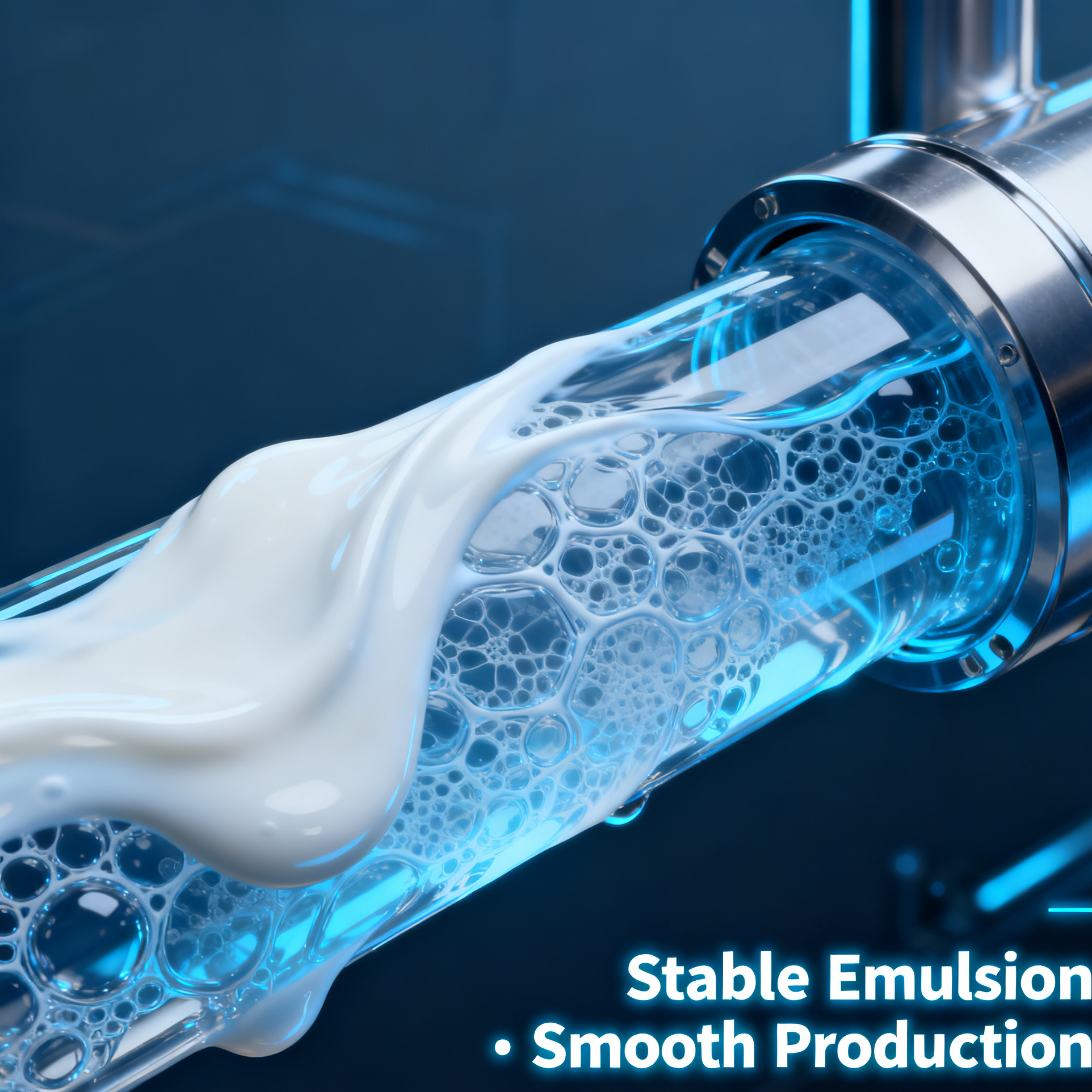
Contact: [email protected] Productivity is a key driver in the carpet industry, where high throughput and consistent quality determine profitability. High Solid SBR Latex is designed to maximize efficiency across every step of the manufacturing process. Because of its higher solid content, ... read more
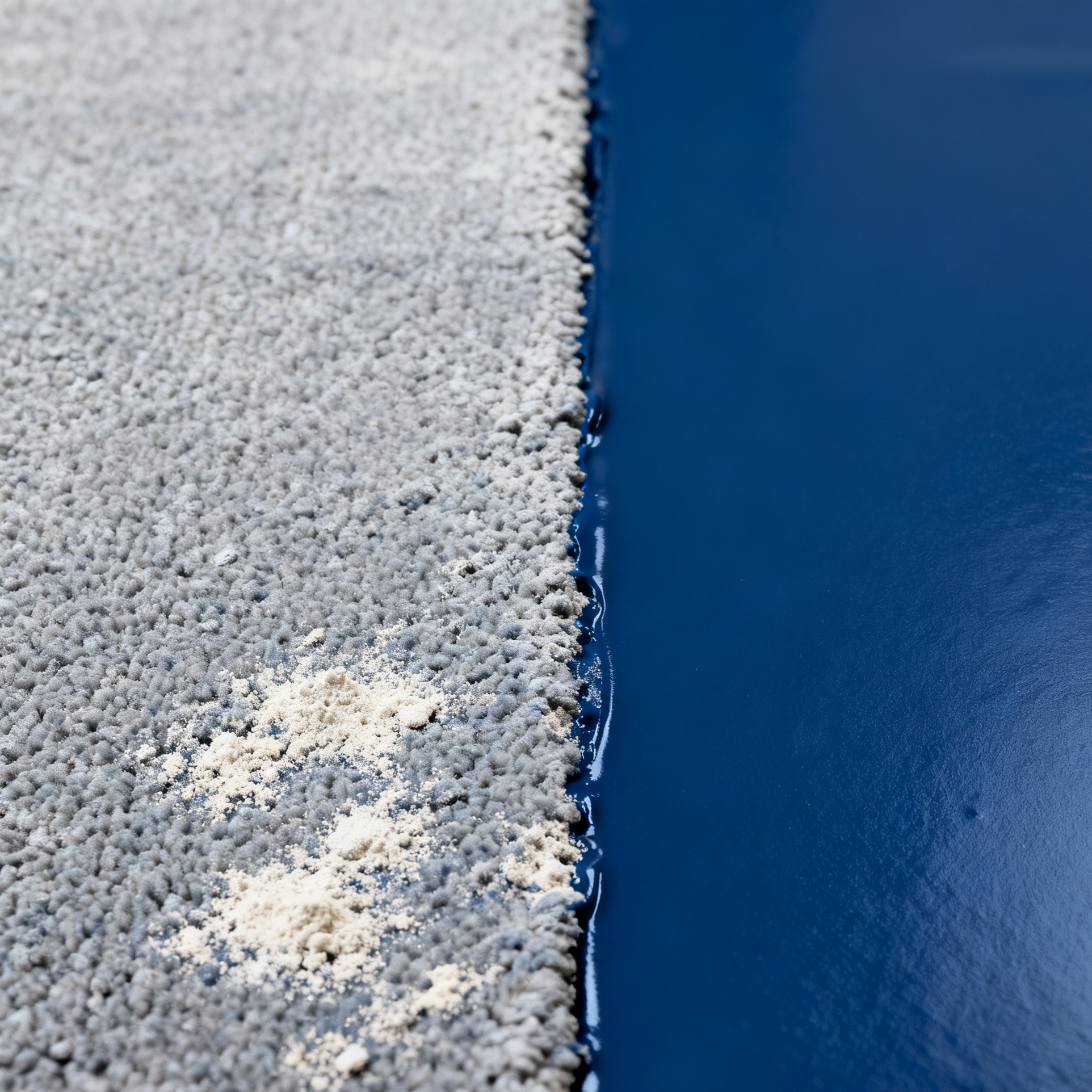
Contact: [email protected] Carpet durability depends heavily on the quality of its backing. A strong and flexible latex layer is essential for binding fibers securely and maintaining the carpet’s shape under heavy use. High Solid SBR Latex is engineered to enhance these key mechanical prope... read more
Contact: [email protected] Energy efficiency has become a central concern in carpet manufacturing. Traditional SBR latex formulations contain approximately 50 percent solids, leaving the rest as water that must be evaporated during drying. High Solid SBR changes this equation by offering up... read more

Contact: [email protected] High Solid Styrene-Butadiene Latex, or HS-SBR, represents a major step forward in carpet manufacturing technology. With a solid content of up to 67 percent, this latex allows producers to achieve better productivity, stronger bonding, and lower energy consumption.... read more
Applications, Market Needs, and Sustainability of NBR Latex Gloves On behalf of Zhejiang Ruico Advanced Materials IntroductionNBR (nitrile butadiene rubber) latex gloves address a wide spectrum of needs—from frontline healthcare protection to heavy-duty industrial handling. As industries push for be... read more

Zhejiang Ruico Advanced Materials Co., Ltd is a professional acrylic resins Manufacturers and flame retardants factory, our company was established in 2012, listed in China on 2019, Ruico is a national high-tech enterprise, Passed ISO9001 quality management system, have provincial-level R&D center, hired academicians, PhD, and other technicians totally 35 people, got 42 patents, the rule-maker of national flame retardant standards.
Application sustainability English
 España
 русский
 Deutsch
 No.188, Liangshan Road, Linghu Town, Nanxun District, Huzhou City, Zhejiang Province, China
 +86 (572)
2903236
+86 (572)
2903236 +86 (572)
2905222
+86 (572)
2905222 +86 15088303595
 +86 15088303595
