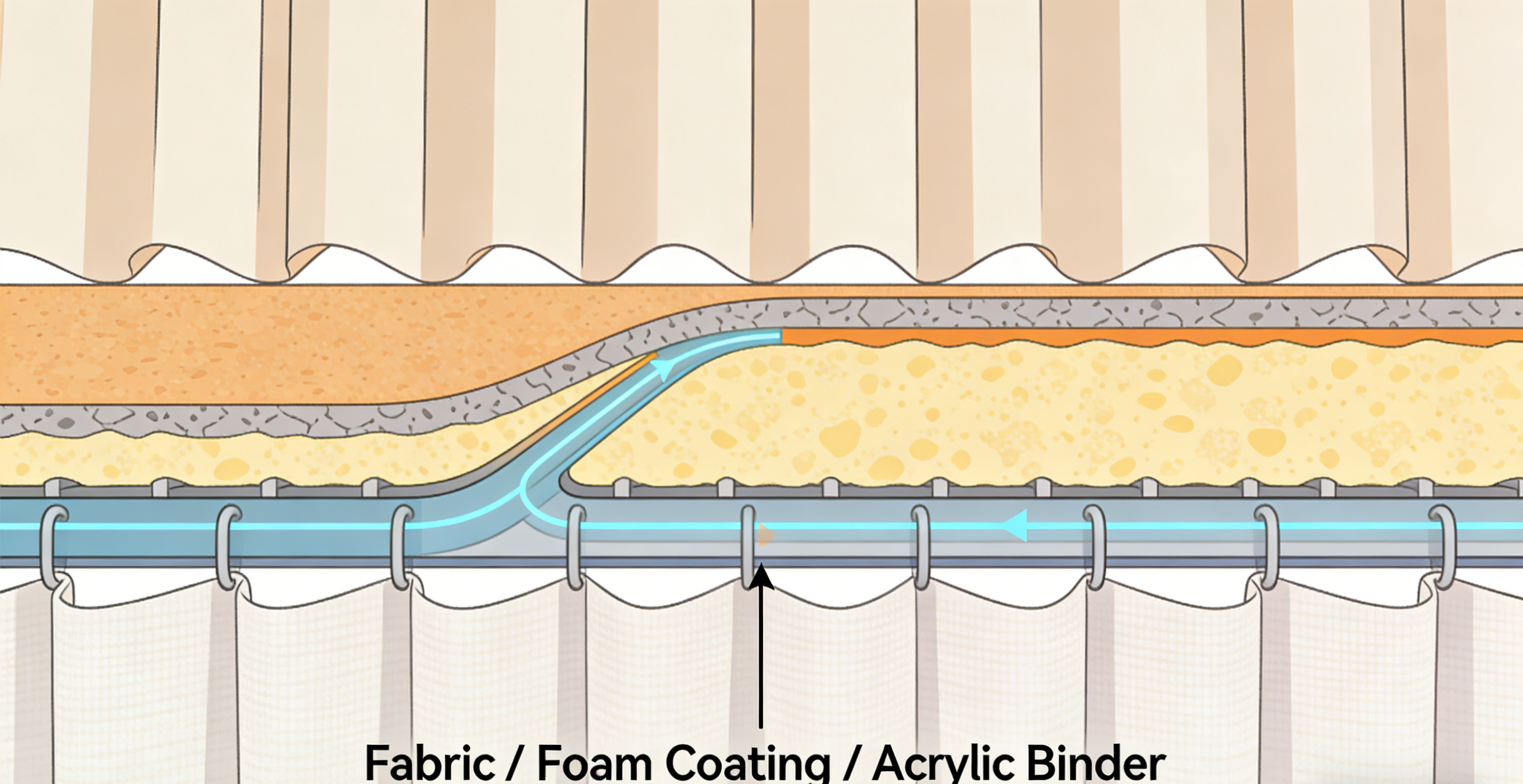
In modern curtain and roller blind manufacturing, foam coating is widely used to achieve blackout, insulation, and soft tactile performance. However, one recurring challenge associated with foam-coated surfaces is surface stickiness, particularly after thermal curing or under high humidity condition... read more
SBR Latex Solutions: Meeting the Waterproofing Challenges of Modern Infrastructure By Zhejiang Ruico Advanced Materials In the rapidly evolving world of infrastructure and building development, waterproofing remains a key determinant of structural health and long-term performance. Water-related issu... read more
SBR Latex: Transforming Construction Waterproofing with Enhanced Performance By Zhejiang Ruico Advanced Materials In modern construction, waterproofing plays a decisive role in ensuring the longevity, durability, and structural integrity of buildings and infrastructure. Water ingress, dampness, and ... read more
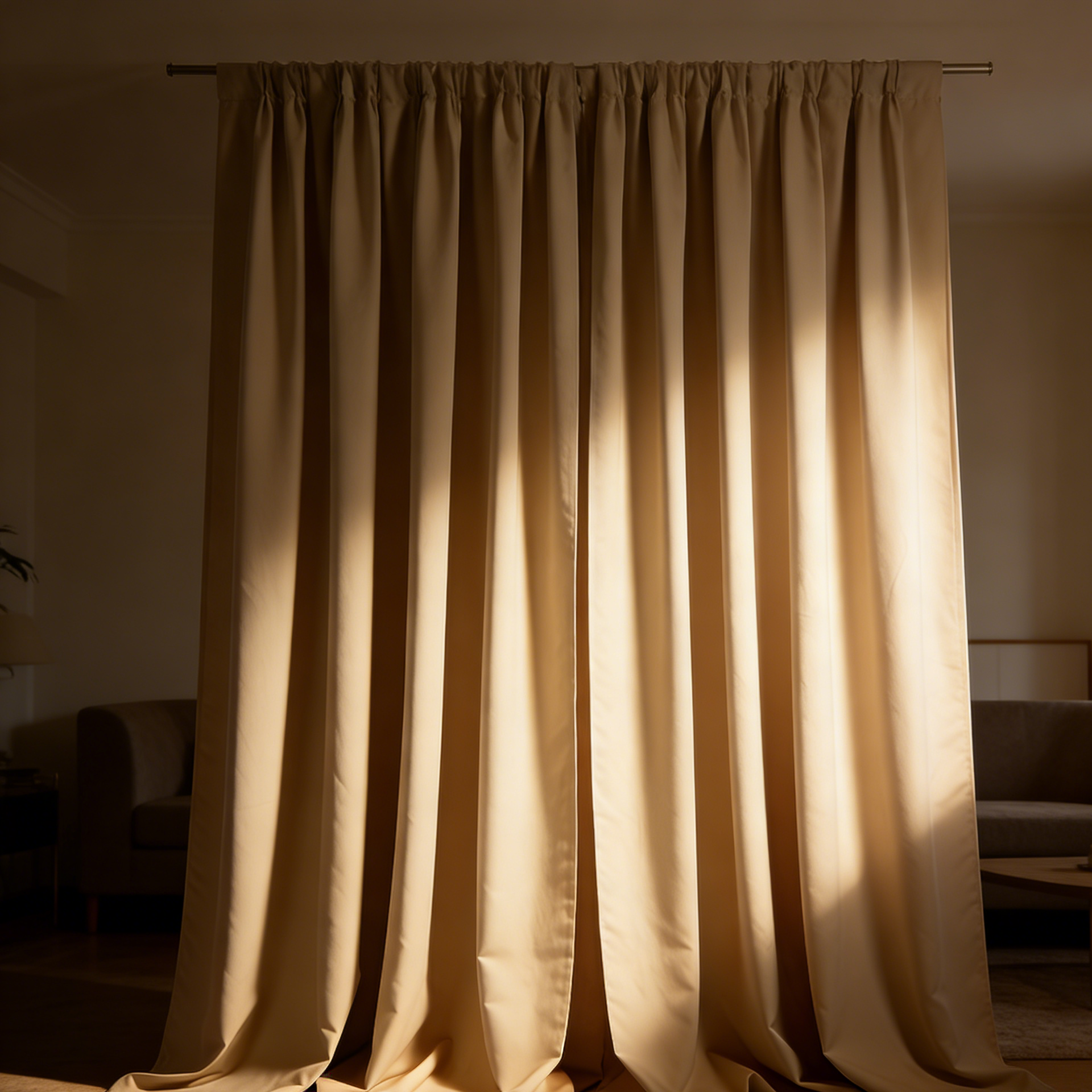
As curtain designs evolve, foam back coating technology continues to advance. Acrylic binders remain central to this development due to their versatility and performance balance. Trends toward lighter fabrics, softer blackout curtains, and multifunctional coatings place new demands on binder systems... read more
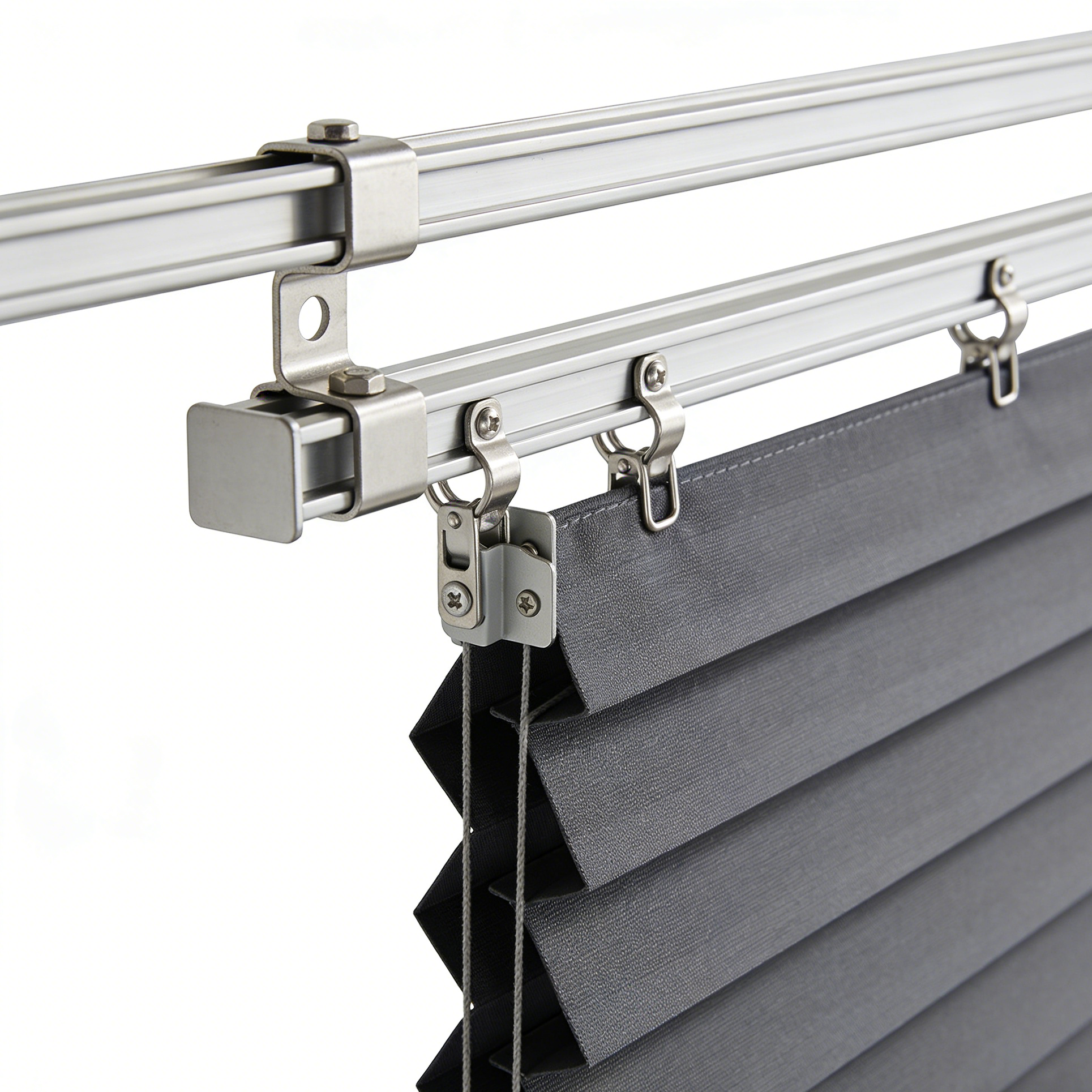
Proper storage and handling of acrylic foam coating binders are essential for maintaining performance. Temperature control, hygiene, and container integrity all influence product stability. Acrylic emulsions should be stored in cool, dark conditions to prevent degradation. Protection against freezin... read more

Zhejiang Ruico Advanced Materials Co., Ltd is a professional acrylic resins Manufacturers and flame retardants factory, our company was established in 2012, listed in China on 2019, Ruico is a national high-tech enterprise, Passed ISO9001 quality management system, have provincial-level R&D center, hired academicians, PhD, and other technicians totally 35 people, got 42 patents, the rule-maker of national flame retardant standards.
Application sustainability English
 España
 русский
 Deutsch
 No.188, Liangshan Road, Linghu Town, Nanxun District, Huzhou City, Zhejiang Province, China
 +86 (572)
2903236
+86 (572)
2903236 +86 (572)
2905222
+86 (572)
2905222 +86 15088303595
 +86 15088303595
