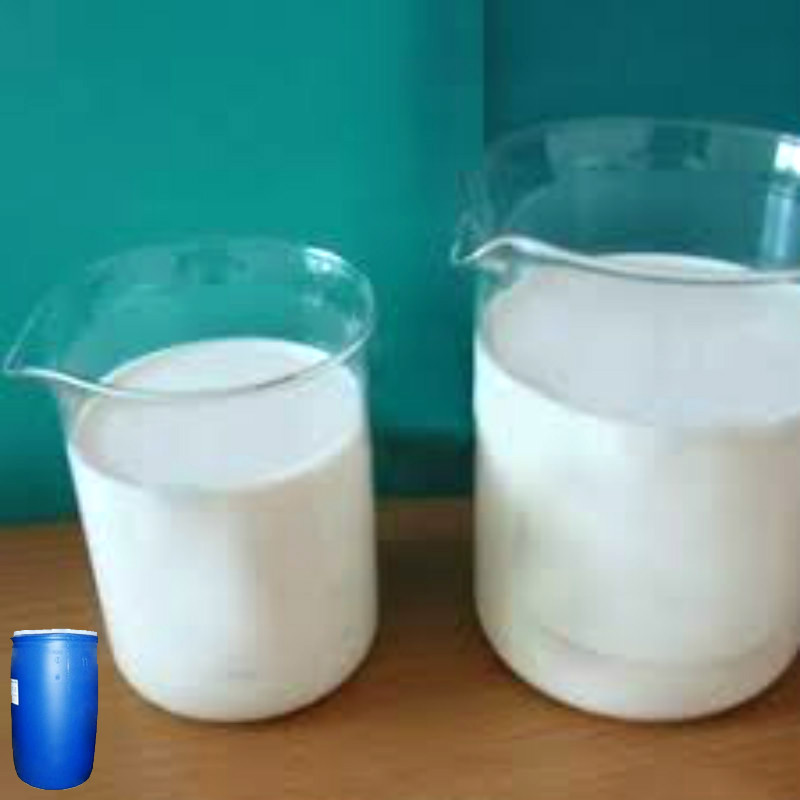
1, silicone modified styrene acrylic emulsion for short is silicon styrene acrylic emulsion, organosilicon is very good anti low temperature, anti ultraviolet good radiation resistance. Modification of styrene acrylic emulsion with silicone can obviously improve its weatherability, light retention,... read more
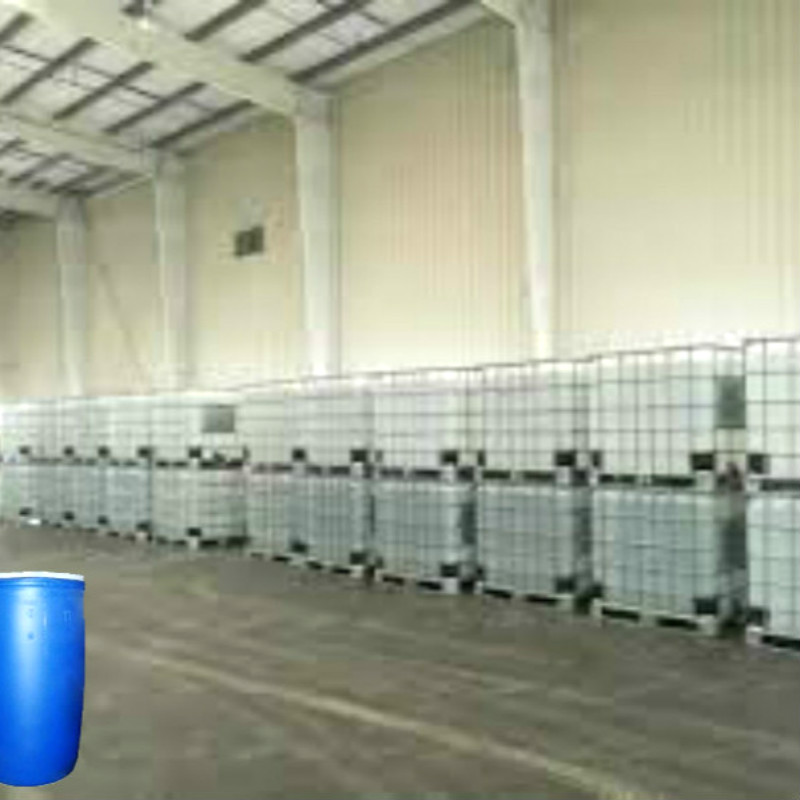
The styrene acrylic emulsion is copolymerized by emulsification of styrene and acrylate monomers. Milk white liquid with blue light. Styrene acrylic emulsion has good adhesion, transparent film, water resistance, oil resistance, heat resistance and aging resistance. It is the main ingredient of wat... read more
Styrene-acrylic emulsion polymers are based on a group of chemicals that are true workhorses in the field of polymer chemistry. Known as acrylates, this group includes acrylic acid and its esters — methyl acrylate, butyl acrylate, ethyl acrylate, and 2-ethylhexyl acrylate. All of these acrylic mono... read more
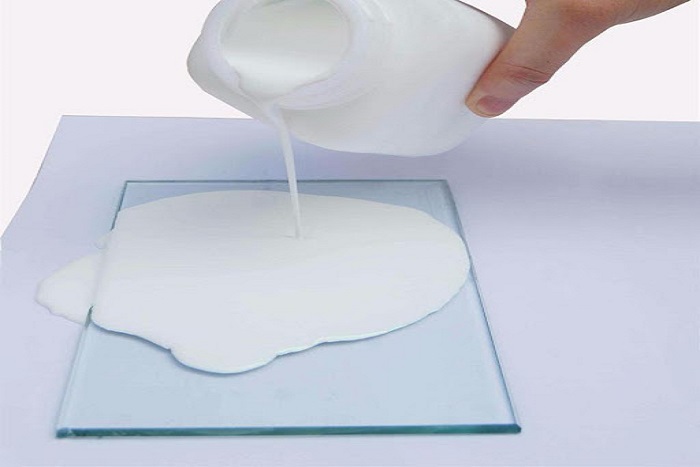
Natural rubber latexThe rubber tapped from the rubber tree (see natural rubber) is milky white, with a solid content of 30% to 40%, and the average rubber particle size is 1.06μm. Fresh natural rubber latex contains 27%~41.3% (mass) of rubber component, 44%~70% water, 0.2%~4.5% protein, 2%~5% natur... read more
A latex is a dispersion of polymeric particles or droplets in liquid, which sounds simple enough. But the chemistry, mechanics and processes used to create synthetic latex (also referred to as an emulsion polymer) are a bit more complicated. Read on for a comprehensive overview of the science of la... read more

Zhejiang Ruico Advanced Materials Co., Ltd is a professional acrylic resins Manufacturers and flame retardants factory, our company was established in 2012, listed in China on 2019, Ruico is a national high-tech enterprise, Passed ISO9001 quality management system, have provincial-level R&D center, hired academicians, PhD, and other technicians totally 35 people, got 42 patents, the rule-maker of national flame retardant standards.
Application sustainability English
 España
 русский
 Deutsch

 No.188, Liangshan Road, Linghu Town, Nanxun District, Huzhou City, Zhejiang Province, China
 +86 (572)
2903236
 +86 (572)
2905222
 +86 15088303595
 +86 15088303595

