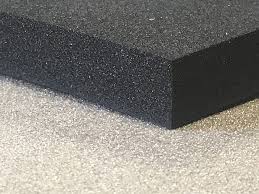
Nitrile Butadiene Rubber (NBR): Properties, Chemistry, and Industrial Significance Nitrile Butadiene Rubber (NBR) is one of the most widely used synthetic elastomers in modern industry, valued primarily for its excellent resistance to oils, fuels, and chemicals. Developed in the early 20th century a... read more
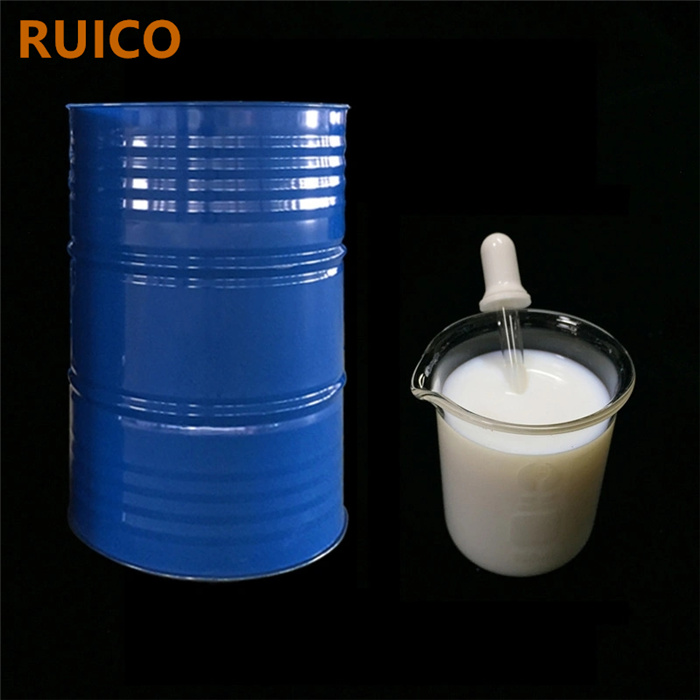
Abstract Reliable adhesion to mineral substrates such as concrete, mortar, and masonry is a fundamental requirement for construction polymers. This white paper examines adhesion mechanisms of water-based polymer systems and the structural factors influencing bond durability. Challenges of Mineral Su... read more
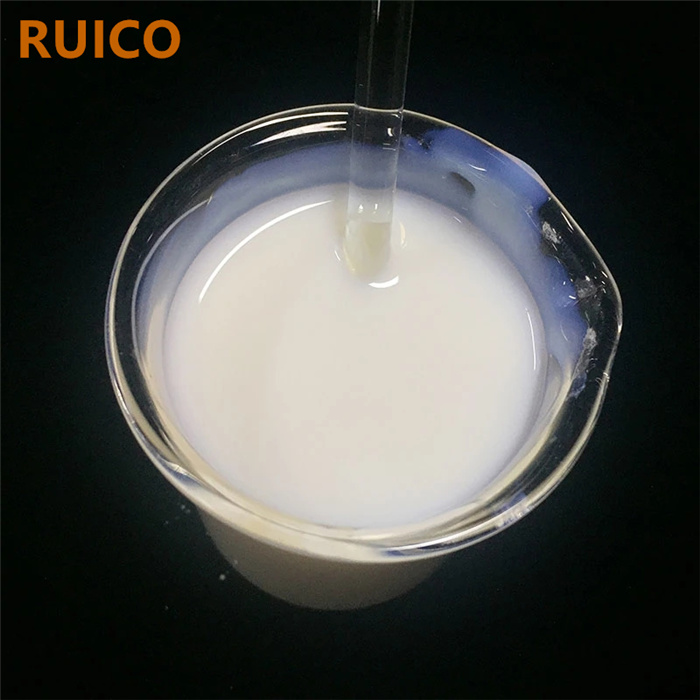
Abstract Crack formation in concrete structures is inevitable due to shrinkage, thermal movement, and structural loading. The ability of polymer coatings to bridge cracks without losing integrity is a critical performance indicator in construction applications. This white paper analyzes crack-bridgi... read more
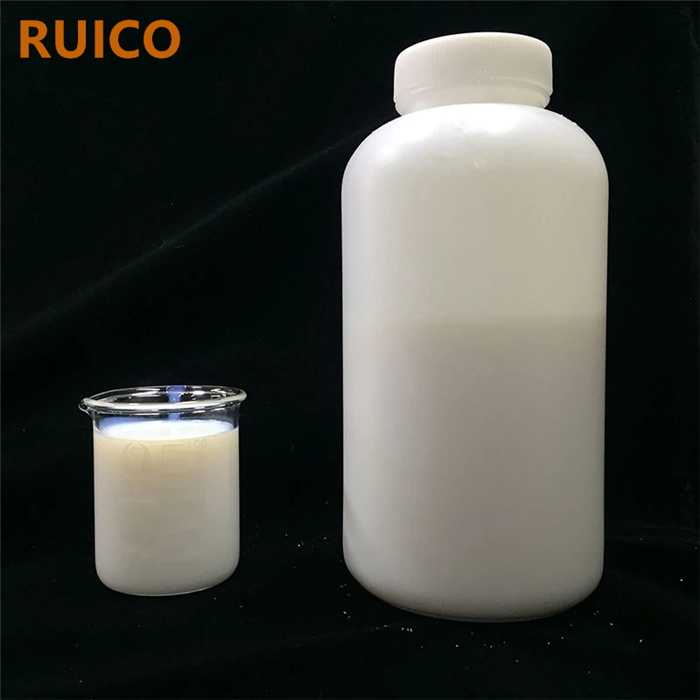
Modern construction materials demand a holistic approach that connects chemistry, processing, application, and long-term performance. This white paper outlines Zhejiang Ruico Advanced Materials’ system-level methodology, linking monomer selection, polymer architecture, formulation strategy, and buil... read more
Abstract Initial material performance alone is insufficient for modern construction applications. Long-term durability—defined by resistance to chemical, mechanical, thermal, and environmental stress over decades—is the true measure of material value. This white paper examines lifecycle performance ... read more

Zhejiang Ruico Advanced Materials Co., Ltd is a professional acrylic resins Manufacturers and flame retardants factory, our company was established in 2012, listed in China on 2019, Ruico is a national high-tech enterprise, Passed ISO9001 quality management system, have provincial-level R&D center, hired academicians, PhD, and other technicians totally 35 people, got 42 patents, the rule-maker of national flame retardant standards.
Application sustainability English
 España
 русский
 Deutsch
 No.188, Liangshan Road, Linghu Town, Nanxun District, Huzhou City, Zhejiang Province, China
 +86 (572)
2903236
+86 (572)
2903236 +86 (572)
2905222
+86 (572)
2905222 +86 15088303595
 +86 15088303595
