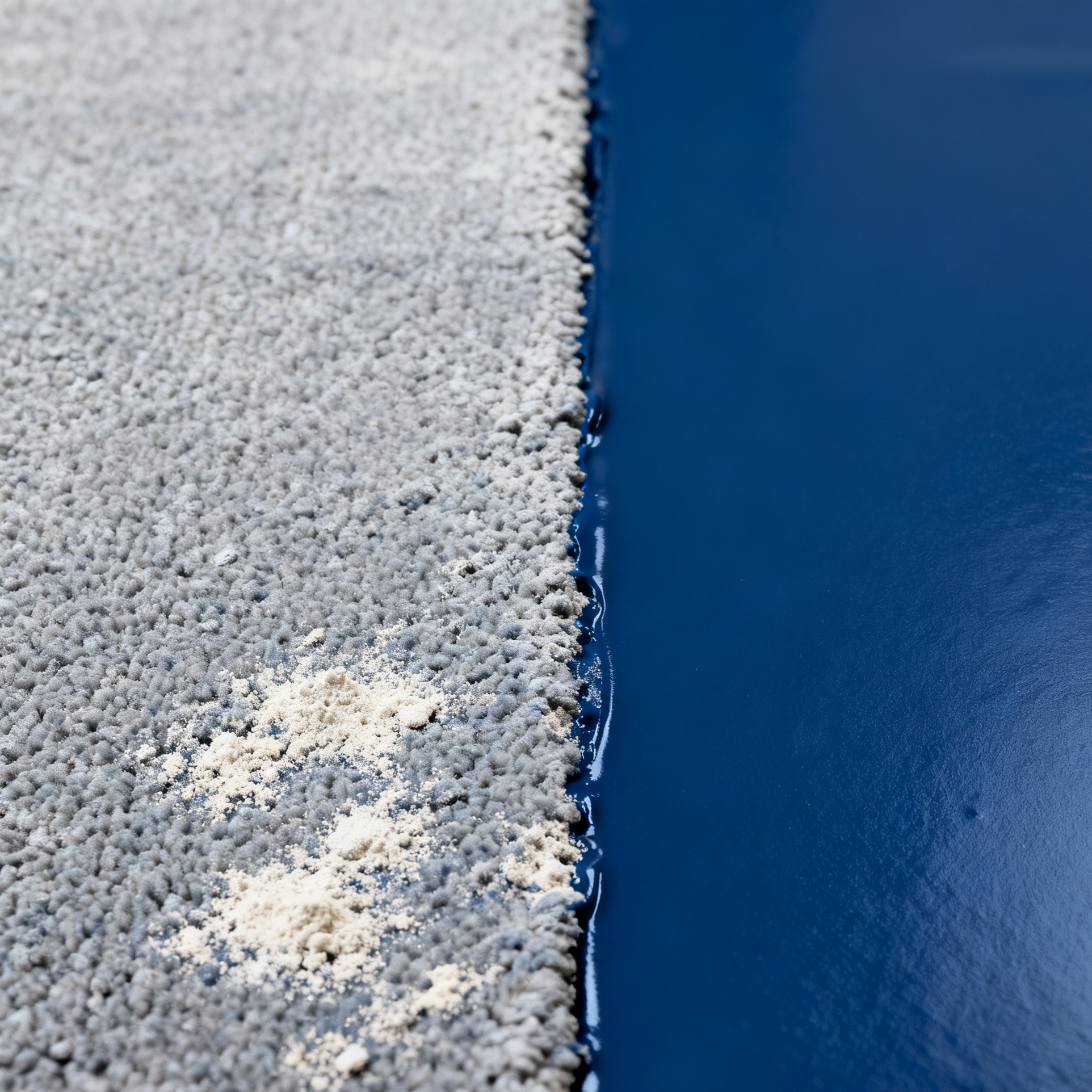
Styrene-butadiene rubber (SBR) latex is among the most widely used polymeric binders in the carpet industry. As a water-based synthetic rubber latex, it plays a central role in carpet backing systems by providing mechanical strength, dimensional stability, and adhesive properties that are essential ... read more

Ethylene-vinyl acetate (EVA) emulsion technology is foundational to a broad array of water-based adhesive systems used across woodworking, packaging, textiles, nonwovens, and construction. EVA emulsions deliver a unique balance of tack, adhesion, flexibility, and environmental compliance that has ma... read more
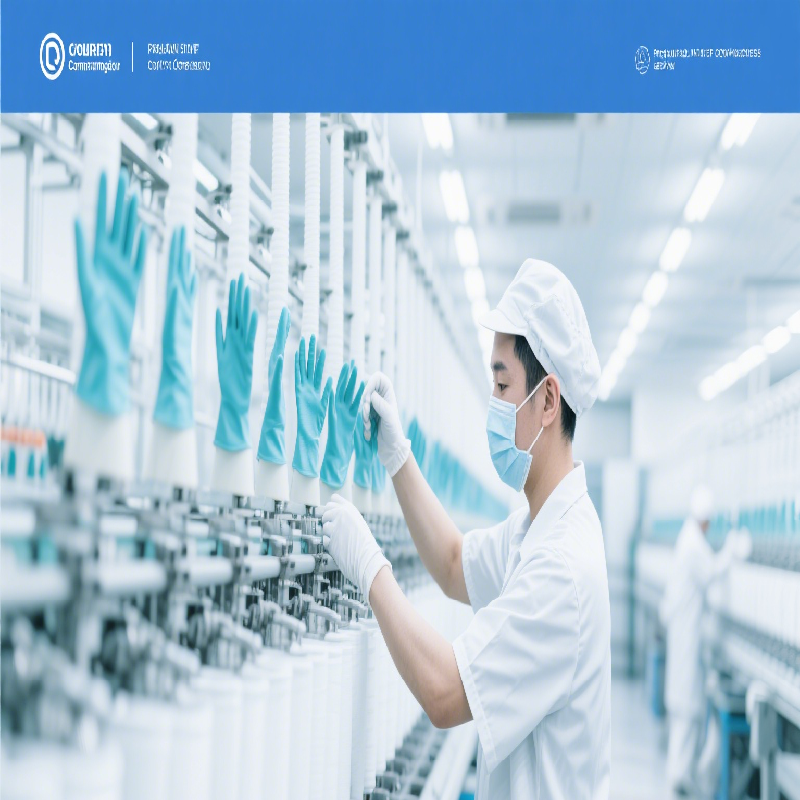
In industrial and occupational settings, the selection of appropriate hand protection is critical to worker safety, comfort, and productivity. Among the wide range of materials used in protective gloves, NBR latex—a synthetic nitrile rubber—has emerged as a dominant choice for labor protection glove... read more
Understanding Short-Barrelled Rifles (SBRs): History, Regulations, and Modern UseThe term Short-Barrelled Rifle, or SBR, refers to a category of firearms defined by specific legal parameters in the United States, primarily under the National Firearms Act (NFA) of 1934. An SBR is classified as a rifl... read more
The Evolution and Applications of Styrene-Butadiene Rubber (SBR)Styrene-Butadiene Rubber, commonly abbreviated as SBR, stands as one of the most pivotal synthetic materials in modern industry. Developed during World War II as a substitute for natural rubber, which was in short supply due to wartime ... read more

Zhejiang Ruico Advanced Materials Co., Ltd is a professional acrylic resins Manufacturers and flame retardants factory, our company was established in 2012, listed in China on 2019, Ruico is a national high-tech enterprise, Passed ISO9001 quality management system, have provincial-level R&D center, hired academicians, PhD, and other technicians totally 35 people, got 42 patents, the rule-maker of national flame retardant standards.
Application sustainability English
 España
 русский
 Deutsch
 No.188, Liangshan Road, Linghu Town, Nanxun District, Huzhou City, Zhejiang Province, China
 +86 (572)
2903236
+86 (572)
2903236 +86 (572)
2905222
+86 (572)
2905222 +86 15088303595
 +86 15088303595
