
Nitrile Butadiene Rubber (NBR): Chemical Structure and Fundamental Properties Nitrile Butadiene Rubber (NBR) is a synthetic elastomer widely recognized for its excellent resistance to oils, fuels, and a wide range of chemicals. Since its commercial introduction, NBR has become an essential material ... read more
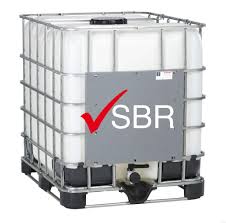
Processing, Compounding, and Performance Optimization of SBR The performance of Styrene-Butadiene Rubber (SBR) in finished products is heavily influenced by processing techniques and compound formulation. While the base polymer provides fundamental properties, it is the compounding and processing st... read more
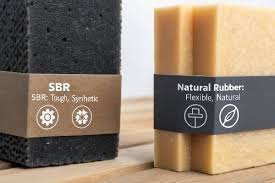
Applications of SBR in the Tire and Automotive Industry The tire and automotive industry is the largest consumer of Styrene-Butadiene Rubber (SBR), accounting for a significant share of global production. The dominance of SBR in this sector is driven by its excellent abrasion resistance, balanced el... read more
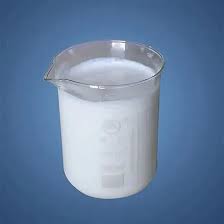
Styrene-Butadiene Rubber (SBR): Properties, Structure, and Industrial Significance Styrene-Butadiene Rubber (SBR) is one of the most widely used synthetic elastomers in the global rubber industry. Developed originally as a substitute for natural rubber, SBR has become a cornerstone material due to ... read more
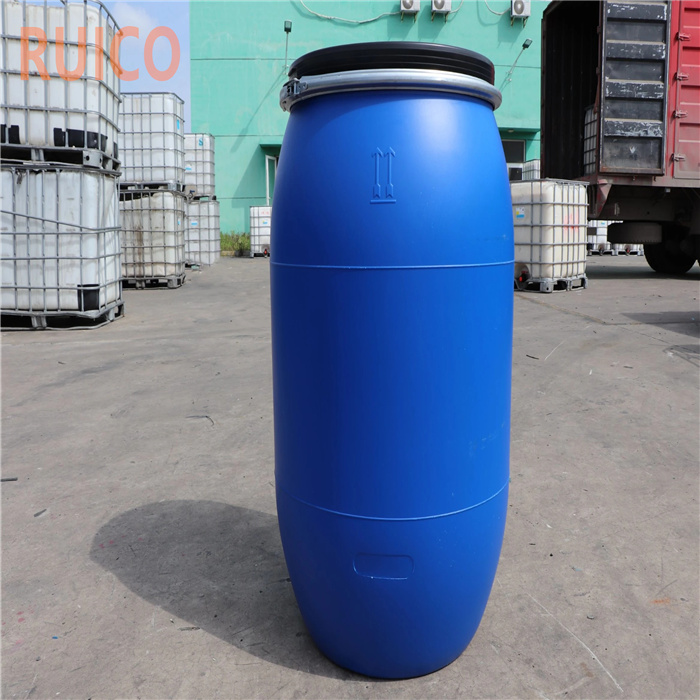
1. Introduction Ethylene-vinyl acetate (EVA) is one of the most widely used thermoplastic polymers in the adhesive industry. As a copolymer of ethylene and vinyl acetate (VA), EVA combines the flexibility and toughness of rubber with the processability of plastics. Because of its excellent adhesion,... read more

Zhejiang Ruico Advanced Materials Co., Ltd is a professional acrylic resins Manufacturers and flame retardants factory, our company was established in 2012, listed in China on 2019, Ruico is a national high-tech enterprise, Passed ISO9001 quality management system, have provincial-level R&D center, hired academicians, PhD, and other technicians totally 35 people, got 42 patents, the rule-maker of national flame retardant standards.
Application sustainability English
 España
 русский
 Deutsch
 No.188, Liangshan Road, Linghu Town, Nanxun District, Huzhou City, Zhejiang Province, China
 +86 (572)
2903236
+86 (572)
2903236 +86 (572)
2905222
+86 (572)
2905222 +86 15088303595
 +86 15088303595
