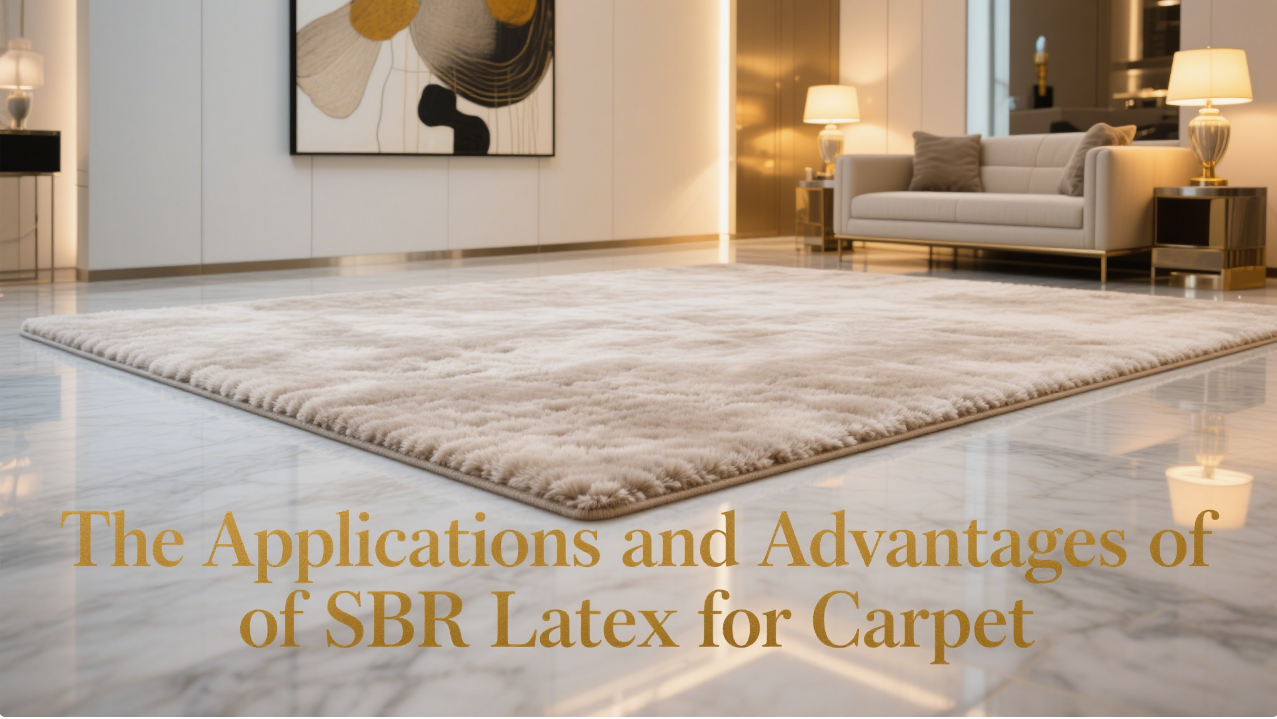
Key Applications of SBR Latex in Carpet Manufacturing Back Coating for Stability and Safety SBR latex is applied to the carpet's underside during the back coating process. This enhances adhesion between the carpet and the floor, preventing slippage and improving overall stability. Such reinforcemen... read more
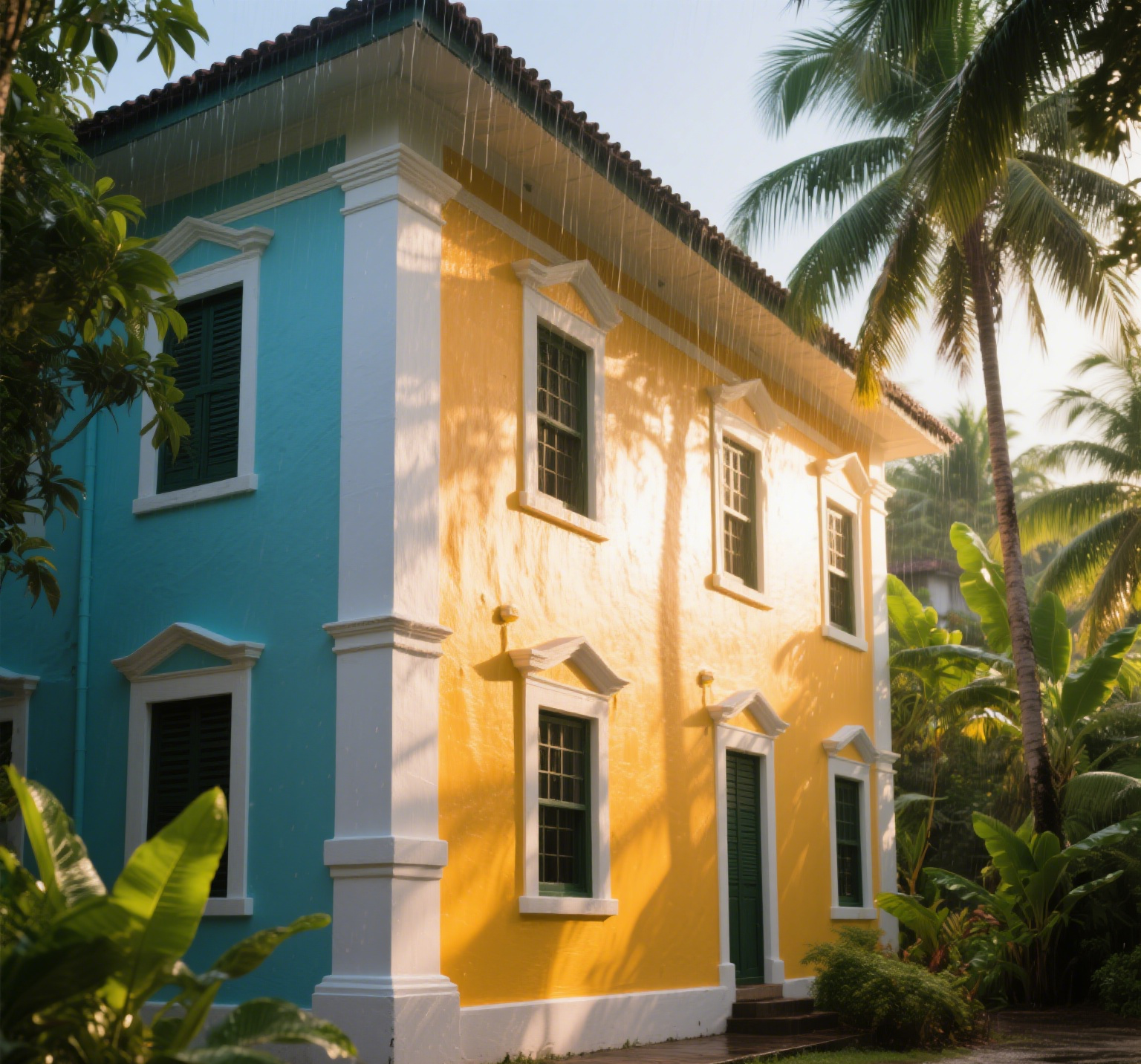
The architectural coatings industry is witnessing a revolutionary advancement with an innovative acrylic copolymer emulsion that is redefining durability standards for exterior finishes. This groundbreaking technology perfectly balances aesthetic appeal with long-term protective performance, offerin... read more
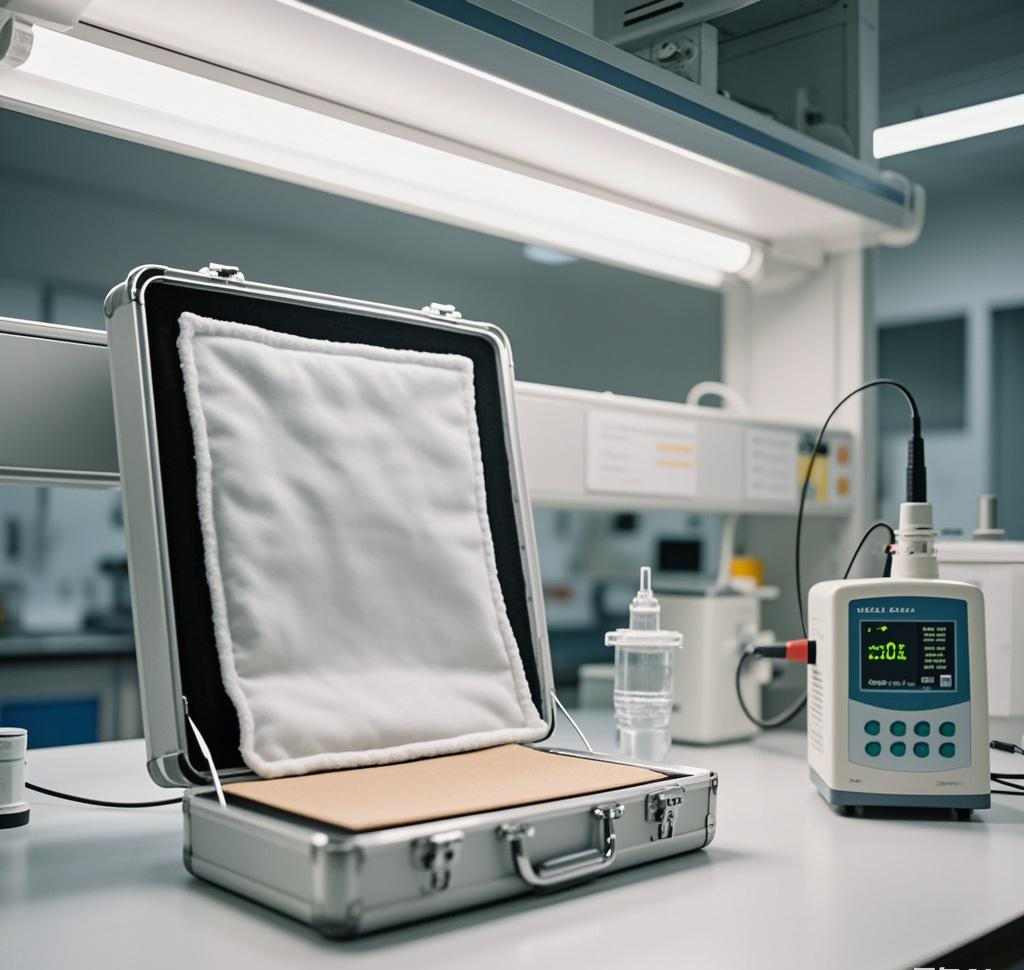
Introduction The growing demand for safer air filtration systems in HVAC, automotive, and public transportation applications has driven the development of advanced flame-retardant technologies. A groundbreaking phosphorus-nitrogen modified acrylic emulsion has emerged as a game-changing solution tha... read more
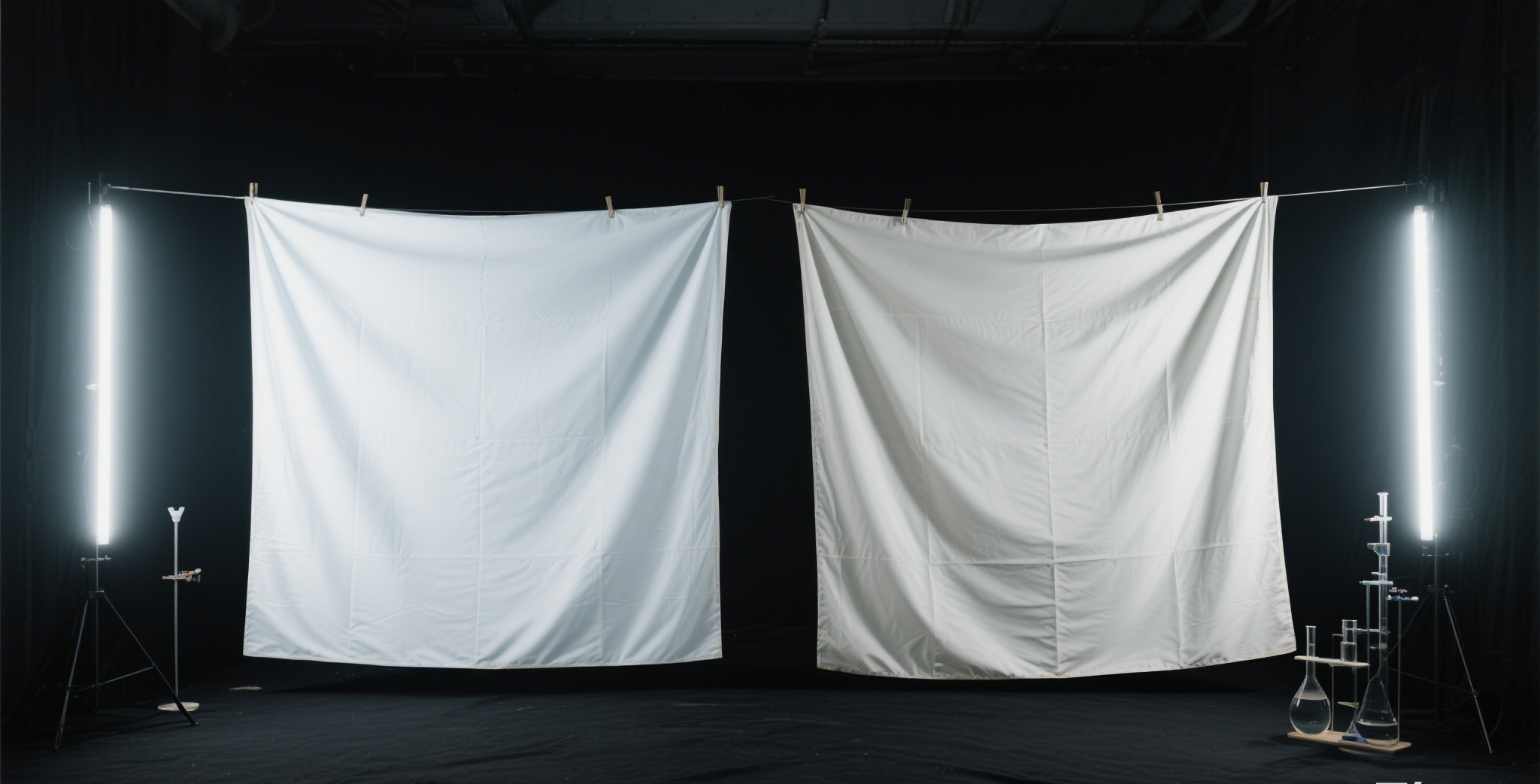
Introduction to Advanced Textile Coating Technology The textile finishing industry is undergoing a remarkable transformation with the introduction of next-generation coating emulsions that combine aesthetic appeal with functional performance. Among these innovations, a groundbreaking matte-finish em... read more
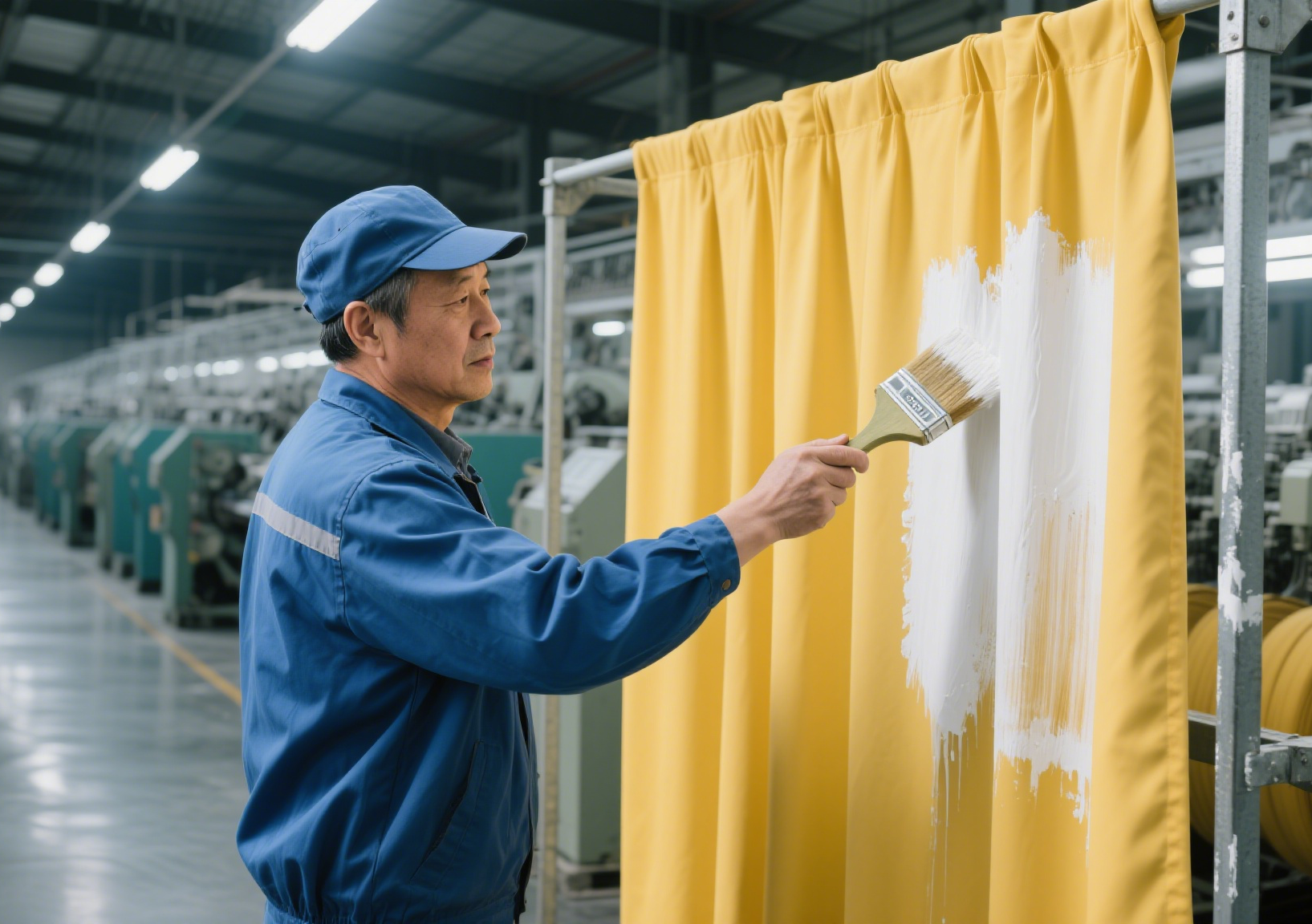
Introduction In the textile coating industry, achieving optimal opacity and light-blocking performance while maintaining environmental sustainability is a constant challenge. Traditional methods rely on powdered titanium dioxide (TiO₂), which requires extensive dispersion processes and poses handlin... read more

Zhejiang Ruico Advanced Materials Co., Ltd is a professional acrylic resins Manufacturers and flame retardants factory, our company was established in 2012, listed in China on 2019, Ruico is a national high-tech enterprise, Passed ISO9001 quality management system, have provincial-level R&D center, hired academicians, PhD, and other technicians totally 35 people, got 42 patents, the rule-maker of national flame retardant standards.
Application sustainability English
 España
 русский
 Deutsch
 No.188, Liangshan Road, Linghu Town, Nanxun District, Huzhou City, Zhejiang Province, China
 +86 (572)
2903236
+86 (572)
2903236 +86 (572)
2905222
+86 (572)
2905222 +86 15088303595
 +86 15088303595
